Rhododendrons are the garden’s winter overachievers: glossy, leafy, dramatic, and somehow still dressed for spring even when the rest of the yard looks like it has given up and moved to Florida. These broadleaf evergreens can bring year-round structure, deep green foliage, and spectacular spring flowers to the home landscape, but winter is when their good looks are truly tested. Cold wind, frozen soil, hungry deer, reflected sun, road salt, and a little too much gardener enthusiasm can all turn a proud rhododendron into a crispy brown question mark.
The good news? Keeping rhododendrons green all winter long is not about fussing over them every day with a tiny plant scarf. It is about choosing the right site, giving the roots what they need before the ground freezes, protecting leaves from drying winds, and resisting the urge to panic-prune at the first sight of curled foliage. With smart rhododendron winter care, these shrubs can hold their leaves, protect their flower buds, and reward you with the kind of spring bloom that makes neighbors slow down and pretend they are checking their mailbox.
Why Rhododendrons Matter in the Winter Landscape
Rhododendrons belong to a large plant group that includes both rhododendrons and azaleas. While many azaleas are deciduous, many classic landscape rhododendrons are evergreen or semi-evergreen, which means their leaves remain on the plant through winter. That single trait makes them extremely useful in American gardens, especially in regions where winter can feel like a long documentary about mud.
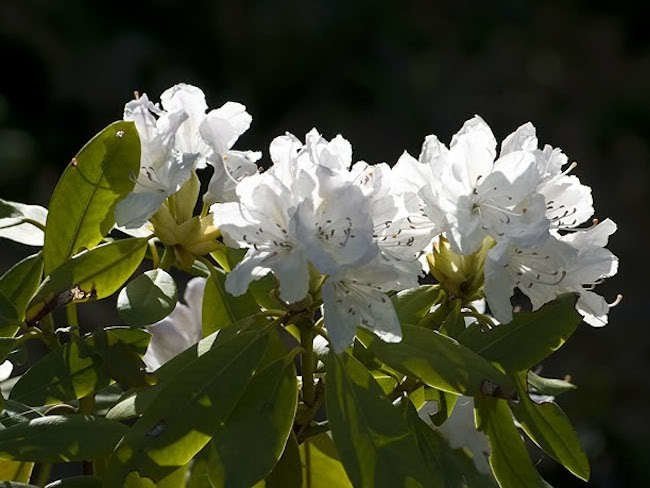
In spring, rhododendrons produce showy clusters of bell-shaped flowers in shades of pink, white, purple, red, lavender, orange, and yellow. In winter, their value is quieter but just as important. Their broad, leathery leaves add texture to foundation plantings, woodland gardens, mixed borders, and shaded entryways. A healthy rhododendron can anchor a bed when perennials have disappeared and deciduous shrubs are standing around like bare coat racks.
But “evergreen” does not mean “invincible.” Rhododendrons keep their foliage, so they also keep losing moisture through that foliage. When winter sun and wind pull water from the leaves while frozen soil prevents roots from replacing it, the plant can suffer winter burn. That is the big winter villain in this story. It does not carry a pitchfork, but it does leave brown leaf edges, curled leaves, and sad-looking branch tips.
Understanding Winter Burn: The Sneaky Enemy of Green Leaves
Winter burn, also called winter scorch or winter desiccation, happens when evergreen leaves lose more moisture than the roots can absorb. Rhododendrons are especially vulnerable because they have broad leaves and relatively shallow root systems. On a sunny, windy winter day, the leaves may transpire moisture even though the soil is frozen solid. The result is dehydration inside the leaf tissue.
The classic symptoms include brown leaf margins, browning at the tips, curled or rolled leaves, drooping foliage, and random-looking branch damage. Sometimes the top or outside of the shrub looks burned while lower branches remain green. Snow cover may protect the lower leaves, while exposed foliage gets blasted by wind and sun. In other cases, one rhododendron in a group looks miserable while its neighbor looks smugly perfect. Gardeners find this unfair. Plants do not care.
Leaf curling in cold weather is not always a disaster. Rhododendron leaves naturally curl downward and inward during freezing conditions to reduce exposed surface area and conserve moisture. Think of it as the plant’s version of pulling a blanket over its head. If the leaves relax and flatten when temperatures rise, the shrub is likely behaving normally. If they remain curled, brown, and brittle after warm weather returns, winter injury may be involved.
Start With the Right Rhododendron for Your Climate
The easiest winter care begins before the shrub is planted. Choose rhododendron varieties suited to your USDA hardiness zone and local conditions. A plant that is marginally hardy may survive a few mild winters and then collapse after one brutal cold snap. That is not bad luck; that is a plant résumé mismatch.
Cold-region gardeners should look for hardy selections bred for northern landscapes. Some cultivars tolerate Zone 4 or even colder conditions, while others are better suited to milder areas. In warmer climates, the challenge may not be deep cold but heat, drought, and intense afternoon sun. Either way, the best rhododendron is not simply the prettiest one at the garden center in bloom. It is the one that can live comfortably where you actually garden.
Before buying, check the plant tag for mature size, bloom time, hardiness range, and light requirements. A rhododendron that grows 8 feet wide is adorable in a nursery pot and less adorable when it is eating your front steps. Give the shrub enough space for air circulation and natural shape, and you will avoid future pruning battles that nobody wins.
Choose a Winter-Smart Planting Site
Site selection is the heart of rhododendron care. These shrubs generally prefer partial shade, dappled woodland light, or morning sun with afternoon protection. A north- or east-facing exposure often works well, especially near a house, fence, or taller trees that soften winter wind. Hot afternoon sun, exposed hilltops, and windy corners can increase the risk of leaf scorch.
Rhododendrons also dislike being planted near concrete foundations, sidewalks, and driveways when those materials raise soil pH. They are acid-loving shrubs, and alkaline soil can trigger nutrient problems, yellow leaves, and weak growth. If your plant is stuck between a sunny wall, a salted walkway, and compacted builder’s soil, do not be surprised if it files a complaint in the form of brown foliage.
Good winter sites protect against drying wind without trapping the plant in heavy shade. Deep shade can reduce flowering and create thin growth. The ideal location is bright but gentle: filtered light under tall trees, morning light along the east side of a building, or a sheltered border where air moves but does not roar through like a leaf blower with an agenda.
Soil: Acidic, Moist, and Well-Drained
Rhododendrons are picky about soil, but their demands are reasonable once you understand their roots. They prefer acidic soil, commonly in the range of about pH 4.5 to 6.0, with many thriving best around the lower end of that range. They also need organic matter, consistent moisture, and excellent drainage.
The phrase “moist but well-drained” sounds like garden-writer poetry, but it is practical. Rhododendron roots want oxygen as much as water. Heavy clay, compacted soil, or low spots that stay soggy can invite root rot. Once roots are damaged, leaves may curl, wilt, yellow, or drop, and the shrub may decline even if the gardener keeps watering harder. More water is not the cure for a plant already drowning.
Before planting, improve poor soil with organic matter such as pine bark fines, leaf mold, or composted material suitable for acid-loving plants. In heavy clay, consider planting slightly high or using a raised bed. Avoid deep cultivation around established plants because rhododendron roots grow close to the surface. Hoeing near the base of the shrub is like performing surgery with a spoon.
Fall Watering: The Winter Insurance Policy
If you remember only one winter care rule, make it this: water rhododendrons well before the ground freezes. Fall watering helps the plant enter winter hydrated. Moist soil also holds temperature more steadily than dry soil, reducing stress on shallow roots.
During dry autumn weather, water deeply rather than sprinkling lightly every day. Aim to moisten the root zone, not just polish the top inch of mulch. Newly planted shrubs need extra attention because their root systems are limited and may not yet have grown into surrounding soil. Established shrubs also need water during dry spells, especially if they grow under roof eaves or evergreen trees that intercept rainfall.
Once winter arrives, water only when the soil is not frozen and temperatures are safely above freezing. In milder regions or during long dry winter periods, an occasional deep soak on a warmer morning can help. Avoid watering late in the day when wet foliage and surface soil may freeze overnight. The plant wants hydration, not an ice bath.
Mulch Like You Mean It, But Do Not Bury the Shrub
A 2- to 3-inch layer of organic mulch is one of the simplest ways to protect rhododendrons through winter. Mulch helps conserve moisture, moderate soil temperature, suppress weeds, and protect shallow roots from rapid freeze-thaw cycles. Good choices include shredded bark, pine bark, wood chips, oak leaves, pine needles, or other coarse organic materials.
The trick is placement. Spread mulch over the root zone and out beyond the drip line if possible, but keep it a few inches away from the main stems. Mulch piled against the crown can invite rot, rodents, and other trouble. The goal is a cozy blanket over the roots, not a volcano around the trunk. Mulch volcanoes are bad for trees and shrubs; they are also proof that humans should not be trusted with unlimited landscaping material.
Refresh mulch in fall after the soil has cooled and the plant is heading into dormancy. Do not smother small shrubs with a heap of leaves over the entire plant. Dense leaf piles can trap moisture, decay, restrict air flow, and damage stems. Loose, airy protection is helpful; suffocation is not.
Use Burlap Screens, Not Plant Mummies
In exposed sites, wind protection can make a major difference. The best method is usually a burlap screen or temporary fence placed on the windward side of the shrub, not a tight wrap directly around the foliage. A screen slows drying wind while allowing air circulation. Tight wrapping can trap moisture, rub leaves, promote disease, and create a sad little shrub burrito.
Set stakes around the plant before the ground freezes and attach burlap, snow fencing, or a similar breathable material. Leave the top open so light and air can move through. The screen should break the force of wind and shade the shrub from harsh winter sun, especially on the south and west sides where winter burn is often worse.
For small rhododendrons, evergreen boughs from discarded Christmas trees can be placed loosely around the plant to provide shade and wind protection. This is a practical, low-cost method, and it lets the Christmas tree have a second career as a tiny bodyguard.
Skip Late Fertilizer and Let the Plant Harden Off
Fertilizing rhododendrons late in the season can encourage tender new growth that does not harden before freezing weather. That tender growth is more vulnerable to cold damage. In many landscapes, healthy rhododendrons do not need much fertilizer at all. If growth is strong and leaves are a rich green, the plant may already be satisfied.
If a soil test shows a need for nutrients or pH adjustment, fertilize in spring around bloom time with a product suitable for acid-loving shrubs. Avoid guessing. Yellow leaves can indicate high pH, poor drainage, root stress, drought, or nutrient imbalance. Throwing fertilizer at every yellow leaf is the gardening equivalent of solving every household problem with duct tape. Sometimes it works, but often it just makes the situation more interesting.
Protect Flower Buds, Not Just Leaves
Rhododendron flower buds usually form the previous growing season. That means careless pruning in late summer, fall, or winter can remove next spring’s flower show. If you need to shape the shrub, the safest time is usually right after bloom, before next year’s buds are set.
Winter injury can kill buds even when leaves look acceptable. Dead buds may appear normal on the outside but be brown or black inside. If spring arrives and your rhododendron has leaves but few flowers, winter bud damage, late frost, shade, drought stress, or poorly timed pruning may be responsible.
After flowering, remove spent flower clusters by pinching or snapping them carefully at the base, taking care not to damage new growth buds. Deadheading can improve appearance and may help the plant direct energy into healthy growth. It is not mandatory for every large shrub, but it is useful on plants you can reach without needing mountaineering equipment.
Do Not Panic in Spring
Spring is when winter damage often becomes obvious. Leaves that looked merely tired in February may turn brown by April. Branches may appear dead even though some tissues are still alive. Before you grab the pruners and start making dramatic decisions, wait for new growth to begin.
Scratch a small section of bark on a questionable branch. If the layer beneath is green, the branch may recover. If it is dry and brown, it is likely dead. Remove dead wood once you can clearly tell what is alive. Pruning too early may remove branches that would have leafed out later, while waiting forever leaves the shrub looking like it lost a bar fight with winter.
When pruning, use clean, sharp tools and cut back to healthy wood or a natural branch junction. Avoid shearing rhododendrons into tight geometric shapes. Their natural form is part of their charm, and a rhododendron cube rarely improves the landscape unless your design theme is “suburban hedge maze.”
Watch for Deer, Salt, and Snow Load
Winter is hard enough without local wildlife treating your rhododendron as a salad bar. Deer may browse foliage and buds, especially when other food is scarce. In high-pressure areas, use fencing or wire cylinders around vulnerable shrubs. Repellents may help, but physical barriers are more reliable when deer are determined.
Road salt and de-icing products can also stress rhododendrons. Avoid planting them where salty slush is thrown by snowplows or where runoff collects near roots. Salt exposure can worsen leaf burn and root stress. If a plant near a driveway declines every spring, the problem may not be winter alone; it may be the winter plus a salty side dish.
Heavy snow can bend or break branches. Gently brush off loose snow with an upward motion when it is safe to do so. Do not beat frozen branches with a broom like you are settling an old grudge. Ice-covered branches are brittle; let ice melt naturally rather than trying to crack it off.
Container Rhododendrons Need Extra Winter Care
Rhododendrons in containers are more exposed to cold because their roots are above ground, surrounded by a pot instead of insulated garden soil. A container plant may need to be hardy to colder zones than the local climate suggests. In cold regions, move pots to a sheltered location, such as an unheated garage, protected porch, or area near a foundation where temperatures remain more stable.
Use large containers with drainage holes and an acidic, well-draining potting mix. Water before hard freezes, but do not keep the pot soggy. Containers can dry out surprisingly fast during winter, especially in windy conditions. Check moisture during thaws and water when needed if the soil is not frozen.
Do not bring hardy outdoor rhododendrons into a warm living room for winter. Most need a cold dormant period and will not appreciate being parked beside a heat vent. Unless you are growing tropical types suited for indoor culture, outdoor rhododendrons belong in cool, protected conditions.
Common Rhododendron Winter Care Mistakes
Mistake 1: Planting in Full Afternoon Sun
Too much winter and summer sun can stress foliage, dry the soil, and increase scorch. Morning sun with afternoon shade is often far kinder.
Mistake 2: Watering Lightly Instead of Deeply
A shallow sprinkle may wet the mulch but leave roots thirsty. Water slowly and deeply so moisture reaches the active root zone.
Mistake 3: Mulching Against the Stems
Mulch is excellent over roots but risky against stems. Keep it pulled back a few inches to reduce rot and rodent damage.
Mistake 4: Fertilizing Too Late
Late fertilizer can push tender growth that winter can easily injure. Feed only when needed and at the right time.
Mistake 5: Pruning Off Next Year’s Flowers
Prune after bloom when shaping is needed. Fall pruning often removes flower buds before they ever get a chance to show off.
A Simple Winter Care Calendar for Rhododendrons
Early Fall
Check soil moisture, especially after dry summers. Avoid late fertilizer. Inspect the shrub for pest damage, dead branches, and signs of stress. If you plan to install stakes for a burlap windbreak, set them before the ground becomes difficult to work.
Late Fall
Water deeply during dry weather until the soil freezes. Refresh mulch to a 2- to 3-inch depth over the root zone, keeping it away from the stems. Install wind screens in exposed sites. Protect vulnerable shrubs from deer browsing.
Winter
During warm spells, check container plants and shrubs under eaves for dryness. Water only when temperatures are above freezing and the soil can absorb moisture. Gently remove heavy snow if needed, but leave ice alone.
Spring
Wait for new growth before judging winter damage. Remove dead branches once you can identify them. After flowering, deadhead and lightly shape if necessary. Evaluate whether the shrub needs better wind protection, more water, or a new planting site before next winter.
Conclusion: Keep the Leaves Green, and the Flowers Will Follow
Rhododendrons are not difficult plants, but they are honest ones. They quickly reveal whether the site is too sunny, the soil is too alkaline, the roots are too wet, or the winter wind is too fierce. Give them acidic, well-drained soil, steady moisture, partial shade, and protection from drying winter exposure, and they can remain handsome through the cold months while preparing for a spectacular spring display.
The real secret to keeping rhododendrons green all winter long is prevention. Water before freeze-up. Mulch properly. Block harsh winds. Choose hardy varieties. Avoid late fertilizer. Then, when spring comes, be patient before pruning. A rhododendron may look dramatic after a rough winter, but with the right care, many shrubs recover beautifully. Like the rest of us, they sometimes just need a little time, hydration, and fewer people poking at them.
Experience Notes: What Rhododendrons Teach You After a Few Winters
The first lesson rhododendrons teach is humility. A gardener can read every tag, admire every glossy leaf, and still plant the shrub in a spot that seemed “bright but protected” in May and turns into a wind tunnel by January. One winter, a rhododendron near an open driveway may look perfectly green until the snow melts, and then the west-facing leaves reveal brown edges as neat as toasted bread. Meanwhile, the same cultivar tucked near a fence barely notices winter happened. That contrast is a better teacher than any label at the garden center.
Another practical experience is that watering in fall feels unnecessary until it suddenly matters. When autumn is cool, it is tempting to assume shrubs are fine because leaves are not wilting. But rhododendrons are shallow-rooted, and dry soil going into winter can set them up for winter burn months later. A slow, deep watering in late fall, especially after a dry season, can make the difference between spring leaves that bounce back and leaves that look like they spent winter in a toaster oven.
Mulch also proves its worth over time. A rhododendron with a wide, even ring of bark mulch tends to handle temperature swings better than one surrounded by bare, compacted soil. The mulch keeps moisture steadier and reduces root stress. But experience also teaches restraint. Piling mulch against stems may look tidy for about five minutes, then creates the kind of damp, hidden trouble that no shrub requested. The best mulch ring looks more like a flat doughnut than a mountain.
Gardeners also learn not to overreact to curled winter leaves. The first time you see rhododendron foliage hanging downward in cold weather, it can look like the plant is sending its final goodbye. Then the temperature rises, the leaves unfurl, and the shrub looks normal again. That is the plant protecting itself. The real warning sign is foliage that stays curled, brown, and brittle after mild weather returns.
One of the most useful habits is taking photos. A quick picture in fall, midwinter, and spring helps you see patterns. If damage always appears on the same side, wind or sun exposure is likely. If the plant declines from the base upward, drainage or root health may be the problem. If buds disappear overnight, deer may be auditioning for the role of landscape designer.
Finally, rhododendrons reward patience. A shrub that looks rough in April may push fresh leaves by June. Dead twigs can be removed, damaged leaves may drop, and healthy buds can surprise you. The best winter care is not flashy. It is a rhythm: plant well, water deeply, mulch lightly, shield wisely, and wait before judging. Do that, and your rhododendron can stay green enough through winter to make the whole garden feel less asleep.