Some people spend weeks researching cat breeds, comparing litter boxes, reading reviews for scratching posts, and preparing their homes like they are hosting a tiny royal ambassador. Others open the garage and discover a hungry kitten yelling at a trash can. Welcome to the cat distribution system, the internet’s favorite explanation for the mysterious way cats seem to arrive exactly where they are neededand then act as if they have been paying rent for years.
The phrase “cat distribution system” is not a scientific term, of course. There is no cosmic warehouse where tuxedo cats are sorted by personality and shipped to emotionally available humans. But the idea has become wildly popular online because it captures something many pet owners know well: sometimes, you do not choose a cat. A cat chooses your porch, your parking lot, your wheel well, your garden shed, your grandmother’s driveway, or the passenger seat of your life.
Behind the humor, however, is a real and surprisingly important story. Across the United States, millions of cats enter shelters, rescue networks, foster homes, and private households each year. Animal welfare groups continue to encourage adoption, microchipping, spaying and neutering, and careful handling of stray or community cats. So while the cat distribution system makes for adorable memes, it also opens the door to a bigger conversation about responsible pet ownership, stray cat safety, and why so many ordinary people become accidental cat parents.
What Is the Cat Distribution System?
The cat distribution system is an affectionate internet joke used when a cat unexpectedly appears in someone’s life and somehow ends up staying. A kitten crawls out from under a car. A skinny tabby begins visiting the same porch every evening. A barn cat follows a child home. A lonely senior cat shows up after being abandoned. The human says, “I guess we have a cat now,” and the internet replies, “Congratulations. The system works.”
The charm of the phrase is that it turns chaos into destiny. Instead of saying, “A stray cat wandered into my yard,” people say, “I have been selected.” It gives a funny, magical feeling to a moment that is often messy, emotional, and full of questions. Is the cat lost? Hungry? Sick? Friendly? Feral? Does it have an owner? Is it safe to bring inside? Why is it staring through the window like a tiny landlord conducting an inspection?
In many viral stories, the cat’s arrival is dramatic. One person spots a small moving shape on a busy road and stops traffic to rescue it. Another hears meowing from a garage. Someone else finds a kitten tucked near a tire, under a dumpster, or in a backyard hiding spot. In other cases, the adoption is more subtle: the cat visits once, returns the next day, begins accepting food, and eventually upgrades from “neighborhood visitor” to “sleeping on the clean laundry.”
Why These Stories Make People Melt
Cat distribution system stories are popular because they combine surprise, vulnerability, and comedy. Cats are famously independent, so when one appears to choose a person, it feels special. Even people who once insisted they were “not cat people” often find themselves emotionally defeated by a kitten with dusty paws and a championship-level meow.
There is also a rescue element. Many of these cats are found in risky situations: near traffic, in cold weather, in abandoned buildings, or after being left behind by previous owners. When someone steps in, the story becomes more than cute content. It becomes a small act of compassion. The human provides food, shelter, a vet visit, and a safe place to recover. The cat provides entertainment, judgmental eye contact, and the mysterious ability to sit on the exact document you need.
These stories also appeal because they are relatable. Not everyone has a perfect adoption journey. Some families adopt from shelters after careful planning. Others become cat owners because a stray gave birth under the porch and one kitten looked at them with suspiciously powerful eyes. Both paths can lead to lifelong companionship when handled responsibly.
The Real-Life Cat Stories Behind the Trend
The “30 pet owners” style of cat distribution stories often includes a wide range of accidental adoption experiences. Some cats are found as tiny kittens with no visible mother nearby. Some are adult cats who appear too socialized to be feral, suggesting they may be lost or abandoned. Others are community cats who are comfortable outdoors but still benefit from food, shelter, and trap-neuter-return programs.
1. The Garage Kitten
One common version of the story begins with noise. A homeowner hears scratching, opens the garage, and finds a small kitten trying to break into a trash bin or food bag. The kitten is usually hungry, dramatic, and already convinced that the garage is a five-star restaurant with poor customer service. After food, water, and a careful check for injuries, the next steps are usually a vet visit, a microchip scan, and a decision about adoption or rescue placement.
2. The Car-Wheel Rescue
Another classic cat distribution moment involves a kitten hiding in a car’s wheel well or engine area. Cats often seek warmth, shelter, and hiding places, especially in colder weather or when frightened. A tiny cat in a car can be in serious danger, so rescuers usually need patience, gentle handling, and sometimes help from neighbors, mechanics, or animal control. The emotional payoff is huge when the kitten is safely removed, cleaned up, and later seen sleeping like a tiny loaf on someone’s couch.
3. The Porch Negotiator
Some cats do not arrive in crisis. They simply begin negotiations. First they sit on the porch. Then they accept food. Then they allow one cautious pet. Then they walk inside and inspect the living room. By week two, they are on the sofa looking offended that dinner is late. These cats are often friendly enough to suggest previous human contact, so it is important to check whether they are lost before officially adopting them.
4. The Abandoned Sweetheart
Some of the most emotional stories involve cats left behind when people move. These cats may be older, tame, and confused. They may appear near former homes, apartment complexes, farms, or wooded areas. Unlike truly feral cats, abandoned pets often seek human contact but may be frightened, underweight, or medically neglected. Helping them may involve contacting local shelters, posting found-cat notices, scanning for a microchip, and arranging veterinary care.
5. The “I Don’t Like Cats” Conversion
Many cat distribution system stories begin with a person who claims not to like cats. This person may be a lifelong dog fan, a neat-freak, or someone who believes cats are mysterious little goblins with whiskers. Then a cat appears. Suddenly, the same person is buying premium wet food, learning the difference between chirping and trilling, and explaining to guests that the cat “doesn’t usually like people, so you should feel honored.” The system is ruthless and efficient.
What to Do If the Cat Distribution System Chooses You
As funny as the phrase is, finding a cat comes with real responsibilities. The first rule is simple: do not assume every outdoor cat is homeless. Some cats are indoor-outdoor pets, some are lost, and some are managed community cats. The best response is kind, cautious, and practical.
Check for Immediate Danger
If the cat is injured, weak, bleeding, struggling to breathe, unable to walk, or trapped in a dangerous place, contact a veterinarian, animal control, or a local rescue as quickly as possible. A cat found near traffic, machinery, extreme weather, or predators may need urgent help. Use a carrier or sturdy box if you must transport the cat, and avoid handling a frightened animal with bare hands.
Provide Food, Water, and Shelter
If the cat appears stable, offer fresh water and a small amount of food. A clean, dry shelter can help if the weather is harsh. Avoid forcing contact. Cats are very good at communicating boundaries, usually with body language and occasionally with the business end of a paw. Let the cat approach at its own pace.
Look for an Owner
A friendly cat may have a family searching for it. Check for a collar, ID tag, or microchip. Many veterinarians and shelters can scan for a microchip. File a found-cat report with local shelters, post in neighborhood groups, talk to neighbors, and place simple flyers in the area. Ask anyone claiming the cat to provide proof, such as photos or identifying details.
Schedule a Veterinary Check
Before bringing a found cat into close contact with other pets, arrange a veterinary exam. A vet can check for a microchip, estimate age, look for parasites, evaluate injuries, discuss vaccinations, and recommend testing for common feline diseases. If you already have cats at home, keep the newcomer separated until a veterinarian clears them for introductions.
Introduce Slowly
Cats are not always thrilled by surprise roommates. A new cat should start in a quiet room with food, water, litter, bedding, and hiding spots. Let the cat decompress. If you have resident pets, use gradual scent swapping and supervised introductions. Rushing the process can turn your home into a furry soap opera with more hissing than plot development.
Why Adoption Still Matters
The cat distribution system may sound random, but animal homelessness is not random. Shelters and rescue groups across the United States continue to handle enormous numbers of cats and kittens every year. Recent shelter data shows that cat adoption rates have remained strong, with millions of cats finding homes through shelters, rescues, and community programs. That is encouraging, but it does not mean the work is done.
Kitten season, housing instability, rising veterinary costs, and unplanned litters can all contribute to shelter pressure. That is why adoption, fostering, spaying and neutering, microchipping, and community support matter. Every cat adopted from a shelter opens space for another animal in need. Every foster home gives a cat time to heal, grow, or become socialized. Every spay or neuter surgery helps reduce future litters.
The internet loves the magical version of the story: a cat appears, a human falls in love, and everyone lives happily ever after. The real version is even better because it includes action. People rescue, call shelters, check microchips, pay vet bills, build trust, and make space in their lives. That is not just cute. That is community care with whiskers.
Community Cats, Feral Cats, and Strays: What’s the Difference?
Not every outdoor cat has the same needs. A stray cat is usually a cat that once lived with people and may be lost or abandoned. Strays can often become indoor pets again, especially if they are friendly. A feral cat is not socialized to humans and may never be comfortable living indoors. Community cats are unowned outdoor cats who may be cared for by people in the neighborhood.
For unsocialized outdoor cats, trap-neuter-return programs are widely used by animal welfare advocates. In a TNR program, cats are humanely trapped, spayed or neutered, vaccinated, often ear-tipped for identification, and returned to their outdoor home. This approach helps prevent new litters and can reduce mating-related behaviors such as fighting, yowling, and spraying.
If you find kittens, the situation can be especially delicate. Very young kittens may still have a mother nearby. Removing them too quickly can do more harm than good unless they are sick, injured, cold, or clearly abandoned. In many cases, monitoring from a distance and contacting a rescue for guidance is the safest move.
The Health Side of “He Just Appeared”
A surprise cat may be adorable, but health precautions are important. Cat bites and scratches can become infected, and unfamiliar cats may carry fleas, ticks, mites, intestinal parasites, or contagious conditions. Wash scratches or bites with warm soapy water and seek medical care if the wound is serious, becomes red or swollen, or if the cat’s rabies vaccination status is unknown.
Pregnant people and people with weakened immune systems should be extra careful with litter box cleaning and animal waste. Good hygiene, gloves when needed, and veterinary care for the cat can reduce risks. Responsible pet care is not about panic; it is about common sense. Love the cat, but do not let a mystery kitten turn your immune system into a group project.
Why Cats Choose the People Who Least Expect It
There is something poetic about cats appearing in the lives of people who were not looking for them. Maybe that is why the phrase cat distribution system has stayed popular. It turns a practical rescue into a story of timing. The person who “wasn’t ready” becomes exactly the person who buys the carrier, makes the appointment, and stays awake the first night checking whether the kitten is breathing comfortably.
Cats are also excellent at finding soft targets. They notice routine. They learn who feeds them. They remember which porch is quiet, which garage is warm, and which human uses a gentle voice. What looks like fate may actually be feline intelligence, survival instinct, and a little bit of opportunism wrapped in fur.
Still, the result can feel magical. A lonely person gains a companion. A family learns responsibility. A senior cat gets a second chance. A once-skeptical dog person discovers that cats can be affectionate, loyal, silly, and deeply attached. One day you are saying, “We are only feeding him until we find his owner.” Two months later, you are telling your friends, “His name is Biscuit, and he prefers filtered water.”
30 Cat Distribution Moments That Feel Very Real
While every story is different, most cat distribution moments fall into familiar patterns. Here are 30 examples inspired by the kinds of real experiences pet owners share online:
- A kitten appears in a garage and screams at a trash can until someone serves dinner.
- A friendly tabby sits on the same porch every night until the family accepts reality.
- A tiny black kitten is rescued from a car’s wheel well after a school-day walk.
- An older abandoned cat shows up near a rural property and charms the household.
- A barn kitten follows visitors home after a farm trip.
- A stray mother gives birth near a window well, and one kitten stays forever.
- A hungry cat appears under an olive tree and refuses to explain its travel plans.
- A kitten is spotted near a busy road and rushed to safety.
- A parking lot cat becomes an office mascot before becoming a house cat.
- A cat found near dumpsters turns out to be the sweetest companion imaginable.
- A roof-meowing cat moves in after several dramatic announcements.
- A friendly neighborhood cat chooses a new home after previous owners move away.
- A taxi driver hears kittens crying and delivers them to rescue.
- A cat wanders into a backyard and immediately approves the patio furniture.
- A tiny kitten hides under a storage building until a patient rescuer earns trust.
- A senior cat arrives with health needs and becomes the most beloved family member.
- A kitten found with an injury survives, recovers, and becomes a household legend.
- A stray follows a child home and refuses to leave the bedroom.
- A cat steals a keychain, proving that crime sometimes leads to adoption.
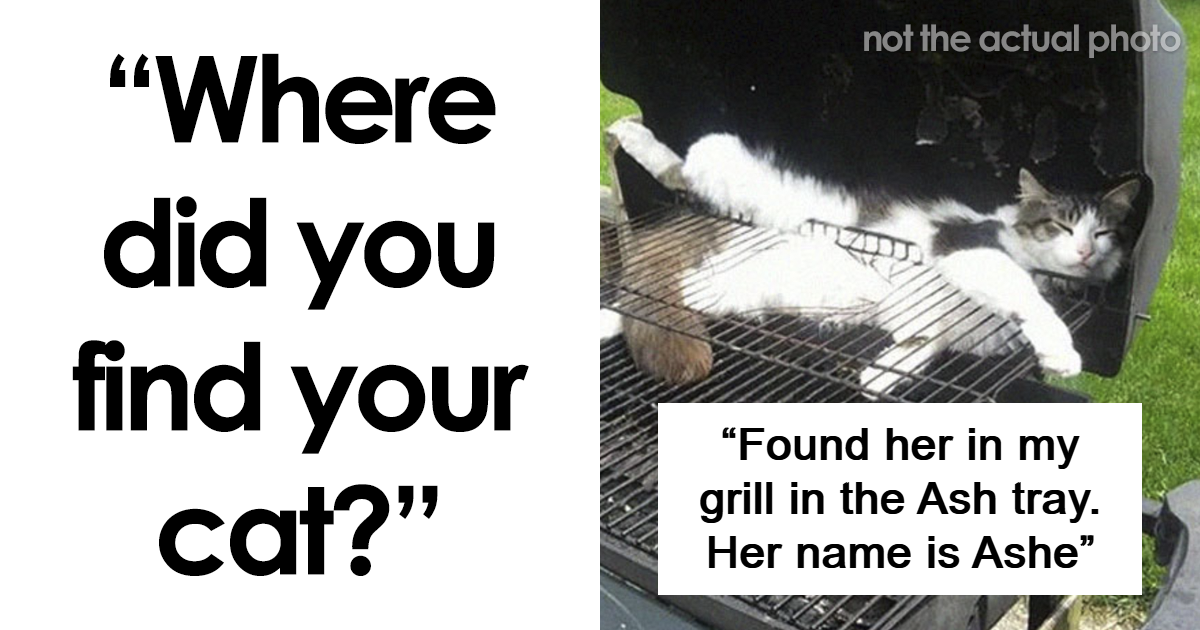
- A kitten appears in a grill’s ash tray and receives a perfectly themed name.
- A college student adopts a forest-found cat and gains a decade-long companion.
- A shelter cat saved from a hoarding case becomes a gentle best friend.
- A hungry stray slowly becomes brave enough to accept pets.
- A cat arrives during a difficult life season and provides unexpected comfort.
- A “temporary foster” becomes permanent after approximately three minutes.
- A kitten found during bad weather grows into the boss of the household.
- A former dog person learns the art of slow blinking.
- A family adopts one cat and later realizes the system has scheduled another delivery.
- A community cat gets TNR support and continues ruling the block responsibly.
- A human says, “Absolutely not,” and the cat hears, “Welcome home.”
Extra Experiences: What Cat Owners Learn After the System Delivers
The first experience many accidental cat owners share is surprise. A cat does not enter your life politely with a calendar invite. It appears during a grocery run, under a porch, beside a workplace, or in the middle of a perfectly normal Tuesday. At first, people often feel unsure. They may not have cat food, a litter box, or any idea how to read feline body language. But the learning curve begins quickly. One bowl of food becomes two. A cardboard box becomes a temporary bed. A quick online search becomes a deep dive into kitten care, microchips, vaccines, flea treatment, and whether cats can eat tuna every day. They cannot, by the way, even if they argue like tiny lawyers.
Another common experience is emotional attachment happening faster than expected. Many people plan to help “just for tonight.” They tell themselves they are only providing shelter until the owner is found or a rescue has space. Then the cat falls asleep nearby, blinks slowly, or places one paw on their arm, and suddenly the situation becomes legally binding in the court of feelings. This is especially true for cats who arrive injured, scared, or underweight. Watching a frightened animal become safe, playful, and trusting can create a powerful bond.
Pet owners also learn that rescue is not always glamorous. There may be fleas. There may be vet bills. There may be litter box accidents, early morning meowing, scratched furniture, and the special joy of discovering that a five-pound kitten can produce the sound of a haunted trumpet at 3 a.m. Responsible care takes patience and money. Food, litter, vaccinations, spay or neuter surgery, parasite prevention, toys, carriers, and emergency care all matter. The cat may have arrived for free, but the receipt printer of life starts working immediately.
Still, most cat owners say the rewards outweigh the chaos. A once-skinny stray becomes a glossy, confident cat. A timid kitten learns to play. A porch visitor becomes a lap warmer. A senior cat gets comfort in its later years. Families often build routines around the new arrival: breakfast meows, evening play sessions, sunny-window naps, and bedtime negotiations. Cats bring structure, humor, and companionship. They also bring humility, because nothing reminds a person of their place in the universe like being ignored by an animal they financially support.
One of the most meaningful experiences is the shift from ownership to partnership. Cats are not decorations. They have preferences, fears, habits, and personalities. Some are cuddly. Some prefer sitting nearby rather than being held. Some want to supervise every shower. Some communicate with chirps, headbutts, tail flicks, or dramatic floor flops. Learning a cat’s language is part of the joy. The cat distribution system may begin with a random appearance, but the relationship grows through trust.
Many owners also become more aware of animal welfare after being chosen. They start noticing outdoor cats in their neighborhoods. They learn about TNR, shelter overcrowding, fostering, microchipping, and the importance of spaying and neutering. A single surprise cat can turn someone into a more informed advocate. They may donate food, support local rescues, volunteer, or help neighbors respond safely when another cat appears. In that sense, the cat distribution system does more than deliver pets. It recruits humans into caring.
Perhaps the biggest lesson is that love is not always planned. Sometimes it arrives clean, scheduled, and adopted through proper paperwork. Other times it appears dusty, loud, and sitting inside your garage like it owns the place. The best stories happen when humor meets responsibilitywhen people enjoy the magic but still do the right thing: search for owners, contact shelters, visit veterinarians, introduce pets slowly, and commit for the long term. That is when “he just appeared” becomes “he is home.”
Conclusion: The System Works, But Humans Make It Humane
The cat distribution system is funny because it feels true. Cats really do have a strange talent for appearing in the right place at the right time. They show up in garages, parking lots, farms, porches, alleys, and backyards. They convert skeptics, reorganize households, and convince fully grown adults to speak in embarrassing baby voices before breakfast.
But the heart of the story is not just that cats appear. It is that people respond. They stop the car. They open the door. They call the shelter. They check for a microchip. They pay for the vet visit. They make room in the quiet corner of the house and, eventually, in the center of the family.
So yes, the cat distribution system may be working perfectly. But its real magic is not cosmic logistics. It is compassion. A cat appears, a person cares, and somewhere between the first bowl of food and the first couch nap, a rescue story becomes a love story.
Note: This article is based on synthesized information from reputable animal welfare, veterinary, shelter, and public health resources, written as original web-ready content without source links as requested.