ir infant in the forest, my imagination immediately sprinted ahead of me. I pictured soft moss, gentle morning light, tiny toes peeking from a knitted wrap, and enough woodland charm to make a storybook illustrator reconsider their career choices.
Then the responsible part of my brain arrived carrying a clipboard.
A forest infant photo session can look effortless in the final gallery, but creating those peaceful images requires careful planning. Babies have their own schedules, forests have bugs and unpredictable weather, and natural light has never once checked a photographer’s calendar before changing its mind.
Still, the idea was too lovely to ignore. We planned a short, comfortable outdoor baby photography session built around the infant’s needs rather than an elaborate shot list. The result was a collection of warm, whimsical portraits that felt natural, personal, and ridiculously adorable.
How the Forest Infant Photo Session Began
The request came from parents who loved spending time outdoors. They did not want a heavily decorated studio set or a dozen complicated poses. They wanted photographs that reflected their family: calm, affectionate, slightly adventurous, and happiest when surrounded by trees.
Their vision was simple. They imagined their baby resting safely in a cozy woodland setting, with soft greenery in the background and natural textures around the frame. They wanted the photographs to feel enchanted without looking artificial.
That distinction mattered. An infant should never appear lost beneath a mountain of props. The baby is the story. The forest is merely the supporting actor who happens to have excellent lighting and no speaking lines.
Choosing a Location That Was Beautiful and Practical
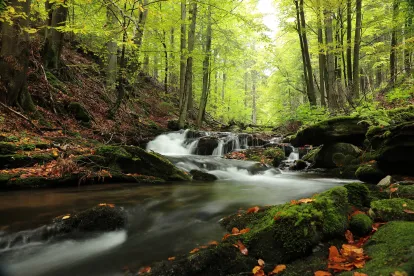
I scouted several wooded areas before selecting the final location. The prettiest place was not automatically the safest or most convenient. One clearing had gorgeous ferns but required a long walk over uneven ground. Another offered lovely light but was too close to a busy trail.
We chose a quiet area with level access, dependable shade, a clean place for the parents to sit, and a short path back to the vehicle. It also had open space between the trees, allowing light to filter through without creating harsh patches across the baby’s face.
We stayed on an established area rather than disturbing plants or rearranging the forest floor. Responsible outdoor photography means taking the pictures while leaving the location essentially unchanged. National Park Service guidance encourages visitors to minimize their impact and leave natural objects where they are.
Letting the Baby Set the Schedule
Photographers often talk about golden hour, but babies have never been impressed by industry terminology. A baby who needs feeding, changing, cuddling, or sleep is not going to cooperate merely because the sunlight has become cinematic.
We selected a cool morning when the infant was usually calm. The parents fed and changed the baby before we began, but we also expected to pause whenever necessary. That flexibility removed pressure from everyone.
Professional newborn-photography guidance emphasizes natural, simple positioning and warns against forcing babies into uncomfortable or potentially dangerous poses. The session must adapt to the child, not the other way around.
Creating a Safe Woodland Setup
Social media can make outdoor newborn photography look as though someone simply placed a sleeping baby on a convenient patch of moss. That is not what happened here, nor should it be.
Every setup was supported, padded, inspected, and positioned on stable ground. A parent remained close enough to reach the baby immediately. The infant was never left alone, balanced on a log, placed directly on damp vegetation, or surrounded by unstable decorative items.
The Basket Was Not Just a Basket
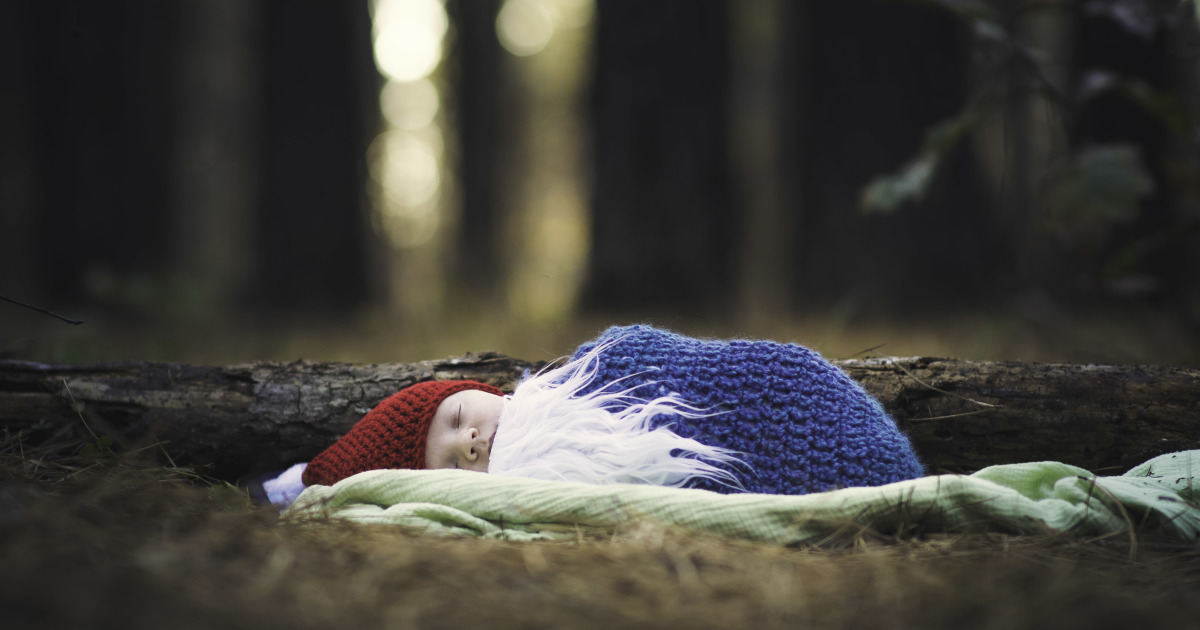
For the main setup, I used a wide, shallow container with a solid base. It was weighted and tested before the baby came near it. Inside, I placed firm supportive layers beneath soft, washable fabrics.
The container sat on flat ground, not on a stump or rock. Camera angles created the impression of a deeper woodland nest while the actual position remained low and secure. Photography is wonderfully useful that way. A six-inch adjustment can turn an ordinary clearing into an enchanted forest without requiring anyone to place a baby on a tree branch.
Any portrait showing an infant asleep on a decorative surface should be understood as a supervised photography setup, not a safe sleep environment. Public health guidance recommends that routine infant sleep take place on the baby’s back on a firm, approved surface without soft bedding.
Keeping the Props Soft and Simple
The parents brought a neutral knitted wrap and a small bonnet. I added a plain blanket, a few pieces of clean natural-looking fabric, and one tiny felt mushroom that spent most of the morning trying to fall over.
We avoided glass objects, heavy decorations, loose beads, sharp twigs, fresh berries, and anything small enough to become a choking hazard. We also kept fabric away from the baby’s face and made sure wraps were comfortable rather than restrictive.
The restraint helped the photographs. With fewer props competing for attention, every yawn, curled finger, and sleepy expression became more noticeable.
Watching the Temperature and Sunlight
Infants can become uncomfortable quickly in hot or cold conditions. We monitored the temperature, kept the session brief, and had extra clothing and blankets ready. The parents checked the baby’s comfort continually rather than relying on how the scene looked through the camera.
For young infants, shade is especially important. The American Academy of Pediatrics advises keeping babies younger than six months out of direct sunlight and using shade and protective clothing. The CDC also recommends lightweight clothing and avoiding excessive heat exposure.
Our location remained shaded, and we ended before the morning became warm. No photograph is valuable enough to justify an overheated, chilled, or distressed baby.
The Forest Gave Us Better Light Than Any Studio Backdrop
Once everyone was comfortable, the visual magic happened surprisingly quickly. Morning light filtered between the trees and wrapped around the baby rather than striking directly from above.
Clouds moved in and out, subtly changing the mood. When the light became brighter, we shifted farther into open shade. When it softened, I photographed toward the brighter part of the forest so the background glowed.
Photography resources commonly recommend soft, diffused conditions or golden-hour light for flattering outdoor portraits. Wide apertures can also separate the subject from a busy background, turning distant leaves into gentle shapes rather than a catalog of every branch in the county.
Using Earthy Colors Without Losing the Baby
Forests contain a great deal of green and brown. Those colors are beautiful, but too much of either can swallow a small subject visually. We dressed the infant in warm cream and muted rust, creating enough contrast to keep the face and hands prominent.
I positioned the brightest patch of background behind the baby’s head whenever possible. This gave the portraits a subtle glow and naturally guided attention toward the infant.
The final palette included mossy green, faded gold, soft brown, cream, and a hint of orange. It looked seasonal without screaming, “AUTUMN HAS ARRIVED, AND IT BROUGHT A CRAFT STORE.”
Photographing Details Before They Changed
Babies change expression faster than photographers change memory cards. I began with wide compositions showing the woodland environment, then moved closer for tiny details.
I photographed the baby’s eyelashes, wrinkled toes, curled fingers, round cheeks, and the way one hand escaped from the wrap every few minutes. That rebellious hand became a recurring character in the gallery.
These close photographs balanced the larger storybook portraits. The wide images showed the setting, while the details preserved what the parents were most likely to forget as their child grew.
The Most Adorable Moments Were Not Planned
Our carefully prepared poses were lovely, but the strongest photographs came from moments that were not on the schedule.
At one point, the baby opened both eyes and stared directly toward the camera. The expression was not exactly joyful. It looked more like a tiny supervisor evaluating my performance and finding several opportunities for improvement.
A few minutes later, the baby yawned while one parent adjusted the wrap. I kept photographing. Then came a stretch, a miniature fist beside the cheek, and the briefest hint of a smile.
Was it a deliberate smile? Probably not. Did everyone immediately behave as though the baby had delivered a personal message of happiness? Absolutely.
Including the Parents Without Making Everything Formal
Although the infant was the focus, I encouraged the parents to enter the frame. Instead of posing them stiffly beside a tree, I asked them to hold, soothe, and look at their child naturally.
One parent stood with the baby against their chest while the other gently touched the infant’s hand. In another photograph, both parents leaned close while the baby slept between them. Their expressions transformed the image from a pretty portrait into a family memory.
The forest also helped people relax. There were no studio marks to hit and no pressure to stare at the camera continuously. They could walk, cuddle, whisper, and respond to the baby. The session felt more like a quiet family outing with a photographer politely following them around.
Knowing When the Session Was Finished
After several setups and a feeding break, the infant became restless. We could probably have produced a few more images, but “probably” is not a good reason to continue an infant session.
We stopped.
That decision gave the gallery a calm, consistent feeling because we had not pushed the baby beyond their comfortable window. A shorter successful session is always better than a long session ending with an exhausted infant and four adults bargaining with a pacifier.
Editing the Forest Baby Photos
Back at the computer, the goal was to preserve the atmosphere without turning the forest into a fantasy video game.
I adjusted exposure and color carefully, softened a few distracting highlights, and reduced overly bright greens. I removed minor background distractions but kept natural details such as leaves, roots, and uneven tree bark.
The baby’s skin required a light touch. Temporary redness and tiny flakes are common visual details in infant portraits, but excessive retouching can make a child look more like a porcelain ornament than a real person.
I kept the skin texture, fine hair, little creases, and expressive details. The final images looked polished while still resembling the child the parents had carried into the forest that morning.
Why the Final Gallery Felt Like a Story
The final sequence began with wide woodland portraits, moved into closer photographs, included affectionate family moments, and ended with sleepy details. Viewed together, the pictures had a beginning, middle, and end.
That storytelling structure was more meaningful than delivering twenty nearly identical basket photographs. The parents could see the setting, their relationship with the baby, and the tiny physical details of this short stage of life.
The photographs were adorable because the infant was adorable, obviously. However, they were memorable because the location and family connection gave that cuteness a sense of place.
What I Learned From Photographing an Infant in the Forest
This experience reinforced several lessons that apply to nearly every outdoor newborn or infant photo session.
A Beautiful Concept Must Remain Flexible
I arrived with a mental list of compositions, but the baby decided which ones were possible. Some ideas worked immediately. Others disappeared when the infant wanted to be held.
That flexibility did not weaken the session. It improved it. Instead of forcing a predetermined gallery, we captured the child’s actual mood and the parents’ natural responses.
Preparation Creates the Appearance of Effortlessness
The images looked peaceful because the difficult decisions had been made in advance. We had already chosen a shaded location, checked access, prepared clean layers, discussed clothing, reviewed the weather, and identified a backup plan.
Without those steps, the adults would have spent the session moving props, debating directions, and searching for missing supplies while the baby patiently drafted a formal complaint.
Safety Is Part of the Creative Process
Safety did not limit the visual possibilities. It shaped smarter ones. Instead of placing the infant on an elevated log, I used a low setup and changed my camera angle. Instead of surrounding the child with real woodland objects, we used soft props and distant natural elements.
Experienced newborn photographers frequently use perspective, assistance, and composite editing to create images that appear more elaborate than the physical setup really was. The final photograph should never reveal risk because the risk should not have existed.
Nature Does Not Need Much Decoration
I initially considered bringing more props. I am glad I did not. The filtered light, tree trunks, mossy tones, and scattered leaves already created visual depth.
A restrained setup kept the session timeless. Years later, the photographs should still feel like portraits of a beloved child rather than evidence of a very specific online trend involving fourteen wooden mushrooms and a miniature canoe.
The Parents’ Comfort Matters Too
A calm baby session depends partly on calm adults. Clear instructions helped the parents understand what to bring, how long we expected to photograph, and why breaks were encouraged.
They never had to apologize for feeding, changing, or soothing their child. Those actions were not interruptions. They were the session.
Practical Tips for Planning an Outdoor Infant Photo Session
Families considering forest baby photography should begin by choosing a photographer with specific infant-safety experience. A beautiful portfolio is important, but parents should also ask how the photographer stabilizes props, monitors temperature, handles posing, and keeps an adult within reach.
The location should offer easy access, shade, stable ground, and a quick exit if conditions change. Avoid tall grass, heavy brush, cliffs, water edges, poisonous plants, active wildlife areas, and places where insects are difficult to control.
Wooded environments may contain ticks and mosquitoes. CDC guidance recommends staying away from tall grass and brush when possible, checking clothing and gear, and using age-appropriate protective measures according to product directions. Young infants can also be protected with clothing and fitted mosquito netting over carriers.
Bring more supplies than the photographs appear to require: diapers, wipes, feeding supplies, burp cloths, clean blankets, spare clothing, water for the adults, weather protection, and a bag for removing every item brought into the area.
Most importantly, keep expectations realistic. The goal is not to complete a catalog of poses. It is to create a small number of meaningful photographs while keeping the infant comfortable.
My Personal Experience From the Session
Looking back, what I remember most is not a particular camera setting or pose. I remember how quiet the forest became after we settled into the session.
At first, everyone spoke in practical sentences. Where should the bag go? Was the wrap straight? Did we remember the extra pacifier? Then the baby relaxed, the morning light softened, and our voices naturally dropped.
The parents stood close together while I photographed from several angles. Every few minutes, one of them checked the infant’s hands or touched the baby’s cheek. Those gestures were small, but they revealed more about the family than any decorative setup could.
I also learned that outdoor infant photography requires humility. In a studio, I can control the background, light, temperature, and placement of almost everything. In the forest, I negotiate.
The sun moves. Wind lifts the corner of a blanket. A bird becomes extremely interested in the proceedings. A leaf lands exactly where it should not. Meanwhile, the baby remains completely unaware that several adults are attempting to create art.
That unpredictability made me more observant. I stopped trying to perfect every element and began looking for brief alignments: a patch of light behind the bonnet, the parents smiling at each other, the baby’s hand closing around a finger, or a breeze moving the fabric without disturbing the infant.
One of my favorite images almost did not happen. We had finished the main setup, and a parent lifted the baby from the basket. The infant settled against their shoulder while the other parent leaned in. I noticed that the trees formed a natural frame around them, so I raised the camera and took three photographs.
There were no props in those frames. No planned pose. No careful arrangement. Just two tired, happy parents holding their baby in soft morning light.
That photograph became the emotional center of the gallery.
The experience also reminded me that infants do not need to perform for a successful session. They do not need to smile, look toward the lens, or sleep through every setup. A serious stare can be beautiful. A yawn can be perfect. Even a brief protest can lead to an intimate photograph of a parent soothing the child.
By accepting those moments, we produced a gallery that felt honest. The baby appeared peaceful in many images, curious in others, and mildly suspicious in at least one. In other words, the photographs captured an actual tiny person rather than a generic idea of infancy.
When the parents viewed the finished gallery, they noticed details I had nearly forgotten: the way the bonnet sat slightly crooked, the little hand escaping from the wrap, and the sleepy expression that appeared after feeding.
That response explained why infant photography matters. Parents live through these early weeks while adapting to interrupted sleep, constant feeding, endless laundry, and a household schedule managed by someone who cannot yet hold up their own head. Tiny details can disappear from memory surprisingly quickly.
Photographs preserve them.
The forest gave the session beauty, but the family gave it meaning. The final results were adorable not because we created an elaborate fantasy, but because we allowed nature, affection, and the baby’s personality to share the frame.
Conclusion: A Tiny Baby, a Quiet Forest, and a Wonderful Memory
Photographing an infant in the forest sounded ambitious when the idea was first suggested. It ultimately became one of the calmest and most rewarding sessions I had experienced.
The successful images came from combining imagination with restraint. We chose a practical location, used simple props, protected the baby from direct sun and uncomfortable conditions, allowed frequent breaks, and stopped when the infant had finished.
The forest contributed soft light and rich textures without demanding attention. The parents brought warmth and connection. The baby contributed tiny expressions, one determined hand, and a level of cuteness that no editing software could manufacture.
The finished gallery felt like a woodland story, but it remained grounded in a real family moment. That balancedreamy but honest, creative but safeis what made the results so special.
And yes, the felt mushroom eventually stayed upright. It deserves a modest amount of credit.
Note: Outdoor infant sessions should always be planned around the child’s health, comfort, age, and individual needs. Parents should consult their pediatric healthcare professional when they have questions about weather exposure, insect protection, feeding, or other health considerations.