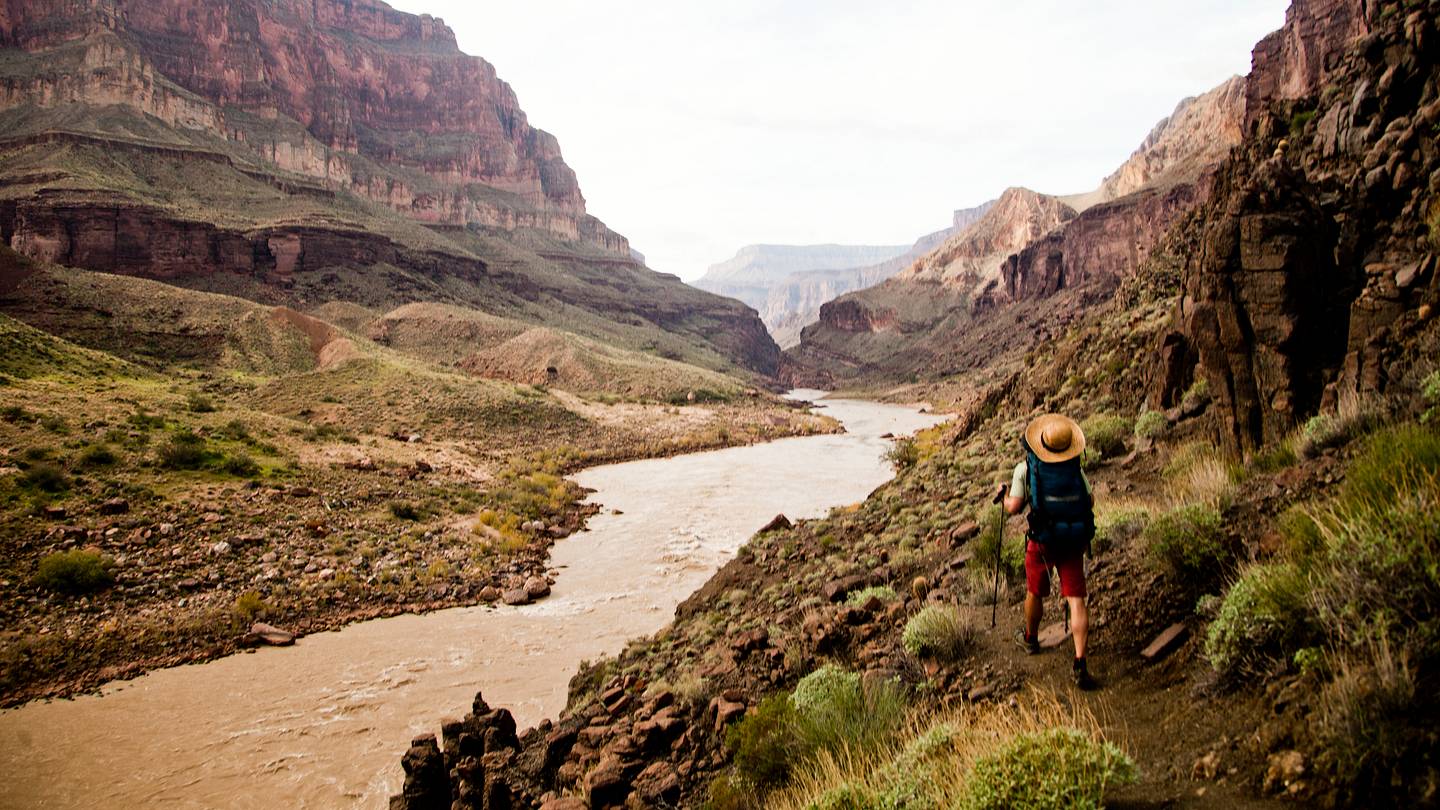
America has many ways of making you feel wonderfully small: standing beside a giant sequoia, seeing your first moose, trying to open a stubborn trail-mix bag with freezing fingers. But few experiences do the job quite like a canyon. One minute, you are walking through ordinary-looking desert, forest, or grassland. The next, the Earth drops away and casually reveals millions of years of dramatic rock layers, rivers, cliffs, and geology showing off like it knows it is being photographed.
From Arizona’s legendary Grand Canyon to the tropical colors of Kauai’s Waimea Canyon, the best canyons in the U.S. offer far more than scenic overlooks. They invite hikers, photographers, road trippers, rafters, climbers, and people who simply enjoy staring into the distance while pretending they are in a nature documentary.
This guide highlights 10 of the most popular canyons to explore in the United States. It is not a strict visitor-count contest, because canyon popularity depends on more than crowds. Accessibility, unforgettable scenery, hiking options, cultural importance, outdoor activities, and sheer “wow, that is a lot of rock” value all matter.
1. Grand Canyon, Arizona
The Grand Canyon is the heavyweight champion of American canyon travel. Even people who have seen countless photographs often freeze for a moment when they reach the rim. The scale is difficult to process. The Colorado River appears tiny from above, yet it carved one of the planet’s most famous landscapes over millions of years.
Why It Is So Popular
Grand Canyon National Park works for nearly every kind of traveler. You can enjoy an easy viewpoint near the South Rim, ride a shuttle to scenic overlooks, hike below the rim, camp, join a ranger program, or tackle a serious backcountry adventure. The South Rim is open year-round and remains the most accessible choice for many visitors.
Best Experiences
First-time visitors should start with Mather Point, Yavapai Point, or the Rim Trail. More experienced hikers can descend portions of the Bright Angel or South Kaibab trails. Just remember that hiking down is the easy part. Hiking back up can turn your legs into a committee of people voting against you.
Best for: First-time canyon visitors, scenic drives, iconic overlooks, hiking, rafting, and family trips.
2. Zion Canyon and The Narrows, Utah
Zion Canyon feels like nature designed a cathedral and then forgot to put a roof on it. Towering sandstone walls rise above the Virgin River, glowing in shades of cream, red, pink, and orange depending on the light. Zion National Park is one of the most visited outdoor destinations in the country, and the canyon is its main attraction.
Why It Is So Popular
The park combines dramatic scenery with trails for different ability levels. Visitors can enjoy paved riverside walks, climb to lofty viewpoints, or wade into one of America’s most famous canyon hikes: The Narrows.
Best Experiences
The Narrows takes hikers through the Virgin River between narrow canyon walls. Depending on water conditions, you may spend much of the hike walking through shallow water over slippery rocks. It is spectacular, refreshing, and occasionally humbling if you discover that your “waterproof” shoes were mostly optimistic marketing.
For a less wet adventure, explore the Riverside Walk, Emerald Pools, Canyon Overlook Trail, or the main scenic canyon drive. Check weather forecasts and flash-flood conditions before entering narrow canyon areas.
Best for: River hiking, dramatic sandstone cliffs, photography, shuttle-based sightseeing, and adventurous travelers.
3. Antelope Canyon, Arizona
Antelope Canyon is one of the most photographed slot canyons in the world, and one look at its sculpted sandstone walls explains why. Wind and flash floods shaped the narrow passageways into flowing waves of orange, gold, red, and purple rock. The canyon often looks less like geology and more like someone melted a box of crayons into the Earth.
Why It Is So Popular
Located near Page, Arizona, Antelope Canyon has become a bucket-list destination for travelers seeking the classic slot-canyon experience. Upper Antelope Canyon is known for dramatic shafts of light at certain times of year, while Lower Antelope Canyon offers tighter passages, ladders, and a more active walking experience.
Best Experiences
Visits require a guided tour through authorized Navajo Nation tour operators. That guide is not just there to point out rocks shaped like animals. Guided access helps protect the canyon, supports local tourism, and keeps visitors informed about safety and cultural respect.
Bring a camera, but do not spend the entire experience staring at a screen. Look up. Look down. Notice the curves, textures, and changing light. Your phone will survive a few minutes without proof that you were having fun.
Best for: Slot-canyon photography, guided tours, Southwest road trips, and unique geology.
4. Bryce Canyon, Utah
Bryce Canyon is technically more of a series of natural amphitheaters than a traditional river canyon, but nobody standing above its maze of hoodoos is going to complain about terminology. The park is packed with tall stone spires shaped by freezing, thawing, rain, and erosion.
Why It Is So Popular
The scenery is unlike almost anywhere else in the United States. At sunrise and sunset, the hoodoos glow in shades of red, orange, pink, and cream. It looks like a fantasy kingdom built by giants who were very committed to decorative chimneys.
Best Experiences
The Queen’s Garden and Navajo Loop combination is one of the park’s most famous hikes. It takes visitors from the rim into the hoodoo-filled amphitheater, where rock towers surround the trail from every direction. The Rim Trail is another excellent option for sweeping views without a major descent.
Keep in mind that Bryce Canyon sits at high elevation. Even a short hike can feel tougher than expected, especially if you arrived from sea level and suddenly discover that your lungs have filed a formal complaint.
Best for: Hoodoos, sunrise photography, moderate hiking, scenic overlooks, and family-friendly trails.
5. Canyonlands National Park, Utah
Canyonlands is less like one canyon and more like a giant outdoor gallery of canyons, mesas, buttes, arches, and river-carved terrain. The Colorado and Green Rivers helped shape this enormous landscape, creating a maze of deep gorges and high desert viewpoints.
Why It Is So Popular
The Island in the Sky district is especially popular because it gives visitors dramatic canyon views without requiring a wilderness expedition. You can drive to overlooks, walk short trails, or plan longer hikes down toward the White Rim.
Best Experiences
Mesa Arch is a must-see at sunrise, when the arch frames distant cliffs and canyon country. Grand View Point Overlook lives up to its name with wide-open views that make you feel as though you have stepped onto another planet with better parking.
For deeper exploration, consider backpacking, mountain biking, four-wheel-drive routes, or rafting trips. Canyonlands rewards visitors who slow down and look beyond the famous viewpoints.
Best for: Desert landscapes, scenic overlooks, road trips, backcountry hiking, and outdoor photographers.
6. Black Canyon of the Gunnison, Colorado
The Black Canyon of the Gunnison is darker, narrower, and more intense than many of America’s better-known canyons. The Gunnison River carved through hard rock, leaving steep walls that create dramatic shadows for much of the day.
Why It Is So Popular
While it receives fewer visitors than Grand Canyon or Zion, Black Canyon delivers serious visual impact with relatively little effort. The South Rim offers several scenic overlooks, making it a rewarding destination for travelers who want big scenery without a marathon hike.
Best Experiences
Drive the South Rim Road and stop at viewpoints such as Gunnison Point, Pulpit Rock, Chasm View, and Painted Wall. The Painted Wall is particularly impressive because of its dramatic rock streaks and vertical scale.
Hiking into the inner canyon is much more difficult and requires preparation and permits. This is not the place for casual flip-flop exploration, unless your goal is to become a cautionary tale told by park rangers.
Best for: Dramatic overlooks, geology lovers, serious hikers, scenic drives, and quieter national park trips.
7. Red Rock Canyon, Nevada
Just outside Las Vegas, Red Rock Canyon National Conservation Area offers a refreshing change from neon lights, casino carpets, and people wearing sunglasses indoors. The canyon’s red-and-cream sandstone cliffs rise above the Mojave Desert, creating a spectacular outdoor escape close to the city.
Why It Is So Popular
Red Rock Canyon is easy to reach from Las Vegas and attracts hikers, climbers, cyclists, photographers, and day trippers. More than three million visitors explore the area each year, making it one of the country’s most accessible desert canyon destinations.
Best Experiences
The 13-mile Scenic Drive offers access to trailheads, viewpoints, and climbing areas. Calico Basin, Ice Box Canyon, and the Calico Tanks Trail are popular choices for hikers. Rock climbers travel from around the world to test themselves on the colorful sandstone walls.
During busy seasons, timed-entry reservations may be required for the scenic drive. Plan ahead so your canyon day does not become a parking-lot meditation retreat.
Best for: Las Vegas side trips, rock climbing, desert hiking, scenic drives, and sunset views.
8. Santa Elena Canyon, Texas
Santa Elena Canyon in Big Bend National Park proves that Texas does not do scenery halfway. The Rio Grande runs between towering limestone walls, creating one of the most dramatic canyon landscapes in the Southwest.
Why It Is So Popular
The canyon is famous for its steep cliffs, which rise as high as 1,500 feet in places. The contrast between the river, desert vegetation, and pale canyon walls makes Santa Elena one of the signature sights of Big Bend.
Best Experiences
The Santa Elena Canyon Trail is a relatively short hike that begins near the Rio Grande and enters the canyon beneath massive cliffs. Depending on recent weather, access may involve crossing the bed of Terlingua Creek, which can range from dry sand to mud or flowing water.
For a different perspective, paddling or floating the Rio Grande can be an unforgettable way to experience the canyon walls from below. Conditions vary, so treat the river with respect. It may look peaceful, but water has been carving rock for millions of years. It is clearly more committed than most of us are to our New Year’s resolutions.
Best for: Desert scenery, river trips, short hikes, remote national park adventures, and stargazing.
9. Palo Duro Canyon, Texas
Palo Duro Canyon is often called the “Grand Canyon of Texas,” and while it has a personality all its own, the nickname makes sense the moment you see its colorful cliffs and sprawling canyon floor. Located in the Texas Panhandle, this state park offers rugged scenery, varied trails, and a surprising amount of outdoor adventure.
Why It Is So Popular
Palo Duro Canyon State Park is especially appealing because visitors can hike, bike, ride horses, camp, and enjoy scenic drives without needing to travel deep into the backcountry. It is a strong choice for families and travelers looking for an accessible canyon experience.
Best Experiences
The Lighthouse Trail is the park’s signature hike, leading toward a famous rock formation that resembles an old-fashioned lighthouse. The park also offers more than 30 miles of trails for hiking, mountain biking, and horseback riding.
Summer heat can be intense, especially on the canyon floor. Start early, carry plenty of water, and avoid treating noon like the perfect time for a heroic desert mission.
Best for: Camping, family trips, Texas road trips, hiking, biking, and colorful canyon scenery.
10. Waimea Canyon, Kauai, Hawaii
Waimea Canyon is frequently called the “Grand Canyon of the Pacific,” but it delivers a completely different mood from Arizona’s famous giant. Instead of dry desert layers, Waimea Canyon combines red earth, lush vegetation, waterfalls, clouds, and ocean-influenced weather.
Why It Is So Popular
Located on Kauai, Waimea Canyon offers scenic drives, lookouts, hiking trails, and extraordinary views of the island’s rugged interior. The canyon’s colors shift with the weather, from deep red and orange to bright green after rain.
Best Experiences
Drive Waimea Canyon Road and stop at major viewpoints for panoramic views. The Iliau Nature Loop offers an easy way to enjoy the canyon landscape, while the Kukui Trail provides a more demanding descent toward the canyon floor.
Weather changes quickly in Hawaii’s mountains. A sunny overlook can become misty and wet in a hurry, so bring layers and prepare for muddy trails. Consider it part of the experience: tropical adventure with a free facial mist.
Best for: Hawaii road trips, scenic drives, lush landscapes, hiking, waterfalls, and photographers.
How to Choose the Right Canyon Adventure
The best canyon for you depends on the kind of trip you want. For iconic views and classic national park energy, choose Grand Canyon or Zion. For narrow slot-canyon walls and photography, Antelope Canyon is difficult to beat. For colorful hoodoos and easy viewpoints, Bryce Canyon is an excellent choice.
Travelers who prefer lesser-known but dramatic scenery may love Black Canyon of the Gunnison, Santa Elena Canyon, or Hells Canyon country. Those looking for easy access from a major city should consider Red Rock Canyon outside Las Vegas. And for a completely different tropical canyon experience, Waimea Canyon belongs high on the list.
Canyon Safety Tips Before You Go
Canyons are beautiful because water, wind, rock, and time created them. Unfortunately, those same ingredients can occasionally create problems for unprepared visitors.
- Check weather forecasts, flash-flood alerts, and trail conditions before entering narrow canyons.
- Carry more water than you think you need, especially in desert environments.
- Wear hiking shoes with traction rather than smooth-soled fashion sneakers.
- Respect permits, reservations, tribal regulations, and restricted areas.
- Tell someone where you are going when hiking in remote canyon country.
- Do not underestimate elevation gain. A canyon trail often requires climbing back out.
What Canyon Travel Teaches You: of Experience and Inspiration
Exploring a canyon is one of the rare travel experiences that changes your sense of scale almost immediately. Modern life is filled with things designed to feel urgent: unread messages, deadlines, traffic, advertisements, and the mysterious pressure to answer emails marked “quick question.” A canyon has no interest in any of that. It has been sitting there for thousands or millions of years, calmly existing while humans invent new ways to become distracted.
The first lesson of canyon travel is patience. You cannot rush the best moments. A sunrise at Bryce Canyon may require waking up when your bed is making a very convincing argument for staying put. A good view at Grand Canyon might involve a cold walk before breakfast. A quiet stretch of The Narrows may require stepping carefully over rocks while trying not to splash your hiking partner. Yet these slow moments are often the ones that stay with you.
Canyons also teach visitors to pay attention. At first, you notice the huge things: cliffs, rivers, arches, and towering walls. Then your eyes begin to settle. You see tiny plants growing from cracks in stone. You notice bird calls echoing from across the canyon. You spot layers of rock that look like pages in a history book written long before people learned to read.
There is also something deeply satisfying about earning a canyon view. A viewpoint reached by car can be breathtaking, but a viewpoint reached after a steep hike feels personal. You remember the dusty switchbacks, the water break under a juniper tree, the moment you considered turning around, and the relief of reaching the edge. Suddenly, the view is not just beautiful. It is yours in a small and temporary way.
Canyon travel is especially rewarding when shared with other people. A family hike may include complaints, snack negotiations, wrong turns, and someone asking how much farther every three minutes. Still, those moments become stories. Years later, nobody remembers the exact trail distance, but they remember the ridiculous wind at the overlook, the squirrel that stole a cracker, or the photo where everyone looked exhausted but happy.
Solo canyon travel can be equally powerful. Sitting quietly above a desert canyon or beside a river can make the world feel larger and simpler. The silence is not empty. It is full of wind, water, birds, distant footsteps, and the slow work of nature continuing without applause.
The best canyon experiences also encourage humility. You are a visitor in a landscape shaped by forces far older and stronger than any human plan. Respecting trails, staying safe, following regulations, and protecting the land are not boring rules. They are part of being invited into a place that existed long before you arrived and should remain extraordinary long after you leave.
Whether you choose a famous national park, a desert slot canyon, a Texas state park, or a tropical Hawaiian gorge, canyon exploration offers more than a good photo. It offers perspective. And in a world full of notifications, a little perspective is worth carrying home.
Travel note: Conditions, permits, timed-entry systems, tribal access rules, river levels, weather alerts, and trail closures can change quickly. Check official park or land-management updates immediately before your trip, especially when visiting slot canyons, river corridors, or remote desert trails.
Conclusion
The most popular canyons in the U.S. are popular for good reason: they offer scenery that makes even the most talkative traveler pause for a second. From the massive scale of the Grand Canyon to the sculpted sandstone passages of Antelope Canyon and the lush cliffs of Waimea Canyon, each destination offers a different version of outdoor wonder.
Choose a canyon that matches your travel style, prepare for the conditions, and leave room in your itinerary for unexpected moments. The trail may be dusty, your shoes may get wet, and your camera roll may become unreasonably large. But that is part of the deal when you explore some of the most unforgettable landscapes in America.