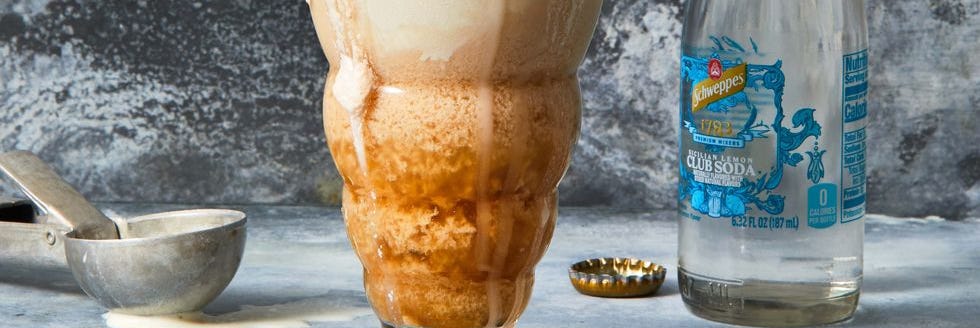
An ice cream float is proof that two ordinary ingredients can create an extraordinary amount of happiness. Combine cold, bubbly soda with creamy ice cream, and you get a fizzy dessert that is part drink, part sundae, and entirely capable of producing a whipped-cream mustache.
This classic ice cream float recipe uses vanilla ice cream and root beer, but the same method works with cola, orange soda, cream soda, fruit soda, or sparkling water. The secret is not a complicated technique. It is choosing complementary flavors, chilling everything properly, and pouring the soda slowly enough to prevent a delicious volcanic eruption.
What Is an Ice Cream Float?
An ice cream float is a dessert beverage made by combining scoops of ice cream with a carbonated drink. In the United States, the most familiar version is the root beer float, traditionally prepared with vanilla ice cream and root beer. A cola float follows the same formula but replaces the root beer with cola.
Ice cream sodas became popular through American soda fountains during the late 19th and early 20th centuries. Robert McCay Green is frequently credited with introducing an early version in Philadelphia in 1874, although several competing origin stories exist. Whoever deserves the official trophy, the invention was clearly bigger than one person: America was ready to put ice cream in soda and call it progress.
A float differs from a milkshake because it is not blended. The ice cream remains in visible scoops while the soda flows around it. As the ice cream softens, part of it mixes with the drink, creating creamy streaks and a thick layer of foam.
Why This Is the Best Ice Cream Float Recipe
A great float needs contrast. The soda should be cold, lively, and strongly flavored, while the ice cream should be rich enough to soften the carbonation without completely overpowering it. This recipe balances those elements with a dependable ratio of approximately one cup of ice cream to six or eight fluid ounces of soda per serving.
- It takes approximately five minutes to prepare.
- It requires only two essential ingredients.
- The chilled-glass method keeps the float colder for longer.
- A controlled pour creates plenty of foam without overflowing.
- The recipe can be customized for dairy-free, caffeine-free, or reduced-sugar preferences.
Classic Root Beer Ice Cream Float Recipe
Recipe Overview
- Preparation time: 5 minutes
- Chilling time: 10 minutes, optional
- Total time: 5 to 15 minutes
- Yield: 2 ice cream floats
- Skill level: Easier than finding matching lids for food-storage containers
Ingredients
- 2 cups high-quality vanilla ice cream, about 4 generous scoops
- 1 bottle or can cold root beer, approximately 12 to 16 fluid ounces
- Whipped cream, optional
- 2 maraschino cherries, optional
- Chocolate or caramel sauce, optional
Equipment
- 2 tall glasses or sturdy glass mugs
- Ice cream scoop
- Long-handled spoons
- Drinking straws
How to Make an Ice Cream Float
-
Chill the glasses.
Place two clean, freezer-safe glasses in the freezer for about 10 minutes. A chilled mug is optional, but it slows melting and helps the float stay frosty. Do not transfer a hot or delicate glass directly into the freezer.
-
Check the soda temperature.
Use root beer that has been thoroughly refrigerated. Warm soda loses carbonation faster and melts the ice cream before you have time to admire your work.
-
Add the ice cream.
Place two generous scoops of vanilla ice cream in each glass. Keep enough room above the ice cream for soda and foam. Filling the glass to the rim at this stage is an invitation to mop the counter later.
-
Pour the root beer slowly.
Tilt the glass slightly and pour the root beer down the inside wall. Stop when the foam approaches the top, wait several seconds for it to settle, and then continue pouring. Use about six to eight ounces per glass, adjusting the amount to fit the container.
-
Add the finishing touches.
Top each float with whipped cream, a cherry, or a thin drizzle of chocolate or caramel sauce. These extras are optional; the classic combination is already perfectly capable of stealing the show.
-
Serve immediately.
Add both a straw and a long spoon. The straw handles the creamy soda, while the spoon retrieves the stubborn ice cream hiding at the bottom.
How to Choose the Best Ingredients
Use Full-Flavored Root Beer
The best root beer for a float has enough herbal, vanilla, caramel, or wintergreen character to remain noticeable after the ice cream begins melting. A mild soda can become nearly flavorless once diluted by dairy.
Regular and craft root beers both work. Craft varieties may offer bolder spice notes, while familiar national brands deliver the nostalgic soda-fountain flavor many people expect. Avoid shaking the bottle, unless the kitchen ceiling seems underdecorated.
Choose Creamy Vanilla Ice Cream
Classic vanilla provides a neutral, creamy base that complements root beer rather than competing with it. French vanilla creates a richer, custard-like float, while vanilla bean adds a slightly deeper aromatic flavor.
Premium ice cream usually melts more slowly because its texture is dense and creamy. Lighter frozen desserts can still make enjoyable floats, but they may dissolve quickly or produce a thinner result. For the cleanest scoops, let very firm ice cream rest at room temperature for only two or three minutes.
Keep Everything Cold
Temperature is one of the biggest differences between an average float and a memorable one. Store ice cream at 0°F or below and keep the soda refrigerated until serving. Consistent freezer temperatures also help protect the smooth texture of the ice cream from large ice crystals.
Why Does an Ice Cream Float Foam So Much?
The spectacular foam is produced when carbon dioxide escapes from the soda. The irregular surface of the ice cream gives the gas many places where bubbles can form. Proteins and other components in the ice cream help stabilize those bubbles, creating the thick, creamy head associated with a classic root beer float.
The reaction becomes more dramatic when soda is poured rapidly, when the glass is too small, or when the ice cream has a rough surface. Pouring slowly against the side of the glass gives you more control. There will still be foambecause a float without foam is basically soda standing next to ice creambut it should remain inside the mug.
Common Ice Cream Float Mistakes
Using Room-Temperature Soda
Warm soda melts ice cream rapidly and tends to taste flatter. Refrigerate the bottle or can for several hours before assembling the float.
Pouring Too Quickly
A fast vertical pour can produce a tower of foam before the glass contains much actual soda. Tilt the glass, pour down the side, and pause whenever the foam rises.
Choosing a Glass That Is Too Small
Use a 14- to 16-ounce glass for a full serving. The ice cream, liquid, and foam all need space. A small drinking glass may look charming for roughly three seconds, after which it becomes a sticky science experiment.
Adding Too Many Toppings
Whipped cream and a cherry are welcome, but heavy sauces, cookies, candy, and multiple syrups can hide the soda flavor. Choose one or two toppings that support the float instead of turning it into an edible storage unit.
Making Floats Too Far in Advance
An ice cream float waits for no one. Once assembled, the carbonation begins escaping and the ice cream starts melting. Prepare each serving when the person drinking it is ready.
Best Ice Cream Float Flavor Combinations
Classic Root Beer Float
Pair root beer with vanilla, French vanilla, or vanilla bean ice cream. For a bolder dessert, try chocolate ice cream; this variation is sometimes called a brown cow or chocolate cow, depending on regional tradition.
Coke Float
Cola and vanilla ice cream produce a refreshing float with caramel and citrus notes. Chocolate ice cream makes it richer, while cherry ice cream plays nicely with cherry-flavored cola.
Orange Creamsicle Float
Combine orange soda with vanilla ice cream for a fizzy version of a Creamsicle. A small amount of orange zest on top adds fresh fragrance without making the dessert complicated.
Strawberry Cream Float
Use strawberry soda with vanilla or strawberry ice cream. Fresh sliced strawberries make an attractive garnish and add a little tartness.
Purple Cow
Pour grape soda over vanilla ice cream. The flavor is sweet, fruity, colorful, and nearly impossible to consume while pretending to be serious.
Coffee Float
Pair chilled sparkling coffee or coffee soda with vanilla, chocolate, or coffee ice cream. For a noncarbonated cousin, pour hot espresso over gelato to make an affogato.
Ginger Ale Float
Vanilla ice cream and ginger ale make a lighter-tasting float with a gentle spice. In Michigan, the Boston cooler traditionally combines vanilla ice cream with Vernors ginger ale, often blended or stirred to a creamy consistency.
Dairy-Free and Lower-Sugar Options
For a dairy-free ice cream float, use oat, coconut, almond, or cashew-based frozen dessert. Oat-based vanilla products tend to have a neutral flavor, while coconut-based ice cream adds a noticeable tropical note. Check both the frozen dessert and topping labels if you are serving someone with a milk allergy.
Zero-sugar soda can reduce the total sugar content, although its sweetener profile may become more pronounced when combined with ice cream. Another option is to use plain sparkling water with a small amount of fruit syrup and a modest scoop of ice cream.
For smaller portions, serve one scoop of ice cream with four ounces of soda in an eight-ounce glass. It still feels like a complete dessert, just without the commitment of a float large enough to require its own ZIP code.
How to Set Up an Ice Cream Float Bar
A float bar is an easy dessert station for birthdays, cookouts, movie nights, and casual summer parties. It requires very little cooking, which is excellent news when the weather has already turned the backyard into a toaster.
Offer Several Sodas
Provide root beer, cola, orange soda, ginger ale, cream soda, and one fruit-flavored option. Keep bottles and cans in a tub of ice so guests receive properly chilled soda.
Limit the Ice Cream Selection
Three flavors are usually enough: vanilla, chocolate, and one playful option such as strawberry, caramel, or coffee. Too many choices can slow the line while everyone conducts a private flavor summit.
Prepare Toppings in Advance
Set out whipped cream, maraschino cherries, sprinkles, cookie crumbs, chopped nuts, and chocolate or caramel sauce. Label common allergens and provide separate utensils when necessary.
Protect the Ice Cream
Do not leave ice cream sitting at room temperature for an extended period. Keep backup containers in the freezer and bring them out as needed. An insulated container packed with ice can help during outdoor service, but melted ice cream should not be repeatedly refrozen.
Frequently Asked Questions
Should the Soda or Ice Cream Go in First?
For a traditional float with visible scoops, add the ice cream first and slowly pour the soda around it. Pouring soda first can provide slightly more control over the final liquid level, but adding the ice cream afterward may trigger sudden foaming. Both methods work; the slow pour matters most.
What Is the Best Ratio for an Ice Cream Float?
Use approximately one cup of ice cream with six to eight ounces of soda. Adjust the ratio according to taste: more soda produces a lighter drink, while more ice cream creates a thicker, creamier dessert.
Can I Make a Float Without Root Beer?
Absolutely. Any flavorful carbonated beverage can work, including cola, fruit soda, cream soda, ginger ale, or flavored sparkling water. Match bold sodas with simple ice creams and mild sodas with stronger ice cream flavors.
Can Ice Cream Floats Be Prepared Ahead?
No. You can chill the glasses, portion the toppings, and refrigerate the soda ahead of time, but assemble the floats immediately before serving.
How Do I Eat or Drink a Float?
Begin with the straw for the fizzy liquid, use the spoon for the ice cream, and stir gently when you want a creamier consistency. There are no float police. Proceed according to dessert instinct.
Experience Notes: Lessons Behind a Better Ice Cream Float
The most useful lesson collected from home kitchens and professional recipe methods is that temperature matters more than expensive ingredients. A budget-friendly root beer and ordinary vanilla ice cream can produce an excellent float when both are properly cold. By comparison, premium ingredients served lukewarm create a sweet, rapidly melting puddle with aspirations.
Chilled mugs make a noticeable practical difference, particularly during warm weather. The effect is not that the float remains frozen forever; it simply gives you a longer window in which the ice cream holds its shape. Ten minutes in the freezer is generally enough. Extremely frosted glasses look dramatic, but they are not necessary for good flavor.
Another recurring experience is that the first pour should be smaller than instinct suggests. When soda touches ice cream, the foam can climb rapidly. Pouring about one-third of the soda, pausing, and then adding the rest produces a better liquid-to-foam balance. This technique is especially helpful with premium ice creams, which can generate a persistent, creamy head.
Flavor testing also shows why vanilla remains the standard choice. It does not disappear; instead, it rounds out root beer’s spice, caramel, and herbal notes. Chocolate ice cream makes the float richer but can dominate a delicate soda. Coffee ice cream creates an appealing grown-up bitterness, while salted caramel works best with a bold root beer that can stand up to the extra sweetness.
Serving size deserves more attention than it usually receives. An enormous float looks festive, but the final third may become thin before it is finished. A 14- to 16-ounce mug containing two scoops and six ounces of soda provides a satisfying balance. Guests can always have another serving, an option that rarely generates complaints.
At parties, pre-scooping ice cream onto a parchment-lined tray and freezing the scoops until firm can speed up assembly. Transfer them directly from the freezer to the glasses shortly before serving. This keeps the portions consistent and prevents the ice cream carton from softening while ten people debate whether orange soda belongs with chocolate ice cream.
The most successful float bars also keep the menu focused. Vanilla, chocolate, and strawberry ice cream paired with four sodas offer plenty of combinations without overwhelming guests. Clear labels are helpful, especially for dairy-free products and drinks containing caffeine.
Finally, a float is best served with both a straw and a spoon. This sounds trivial until someone attempts to retrieve a half-melted scoop using only a paper straw. The float’s texture changes from bubbly soda to creamy slush and finally to soft ice cream, and the two utensils let the drinker enjoy every stage.
The broader lesson is reassuring: perfection is not required. A little extra foam, an uneven scoop, or a crooked whipped-cream swirl will not ruin the dessert. Serve it cold, serve it promptly, and let the fizz do its entertaining work.
Conclusion
The best ice cream float recipe depends on three simple principles: cold ingredients, a balanced soda-to-ice-cream ratio, and a slow pour. Start with two scoops of creamy vanilla ice cream, add six to eight ounces of chilled root beer, and serve the float immediately with a spoon and straw.
Once you master the classic root beer float, experiment with cola, orange soda, ginger ale, fruit soda, or dairy-free frozen desserts. The formula is flexible, the preparation is nearly effortless, and even the mistakes tend to taste pretty good.