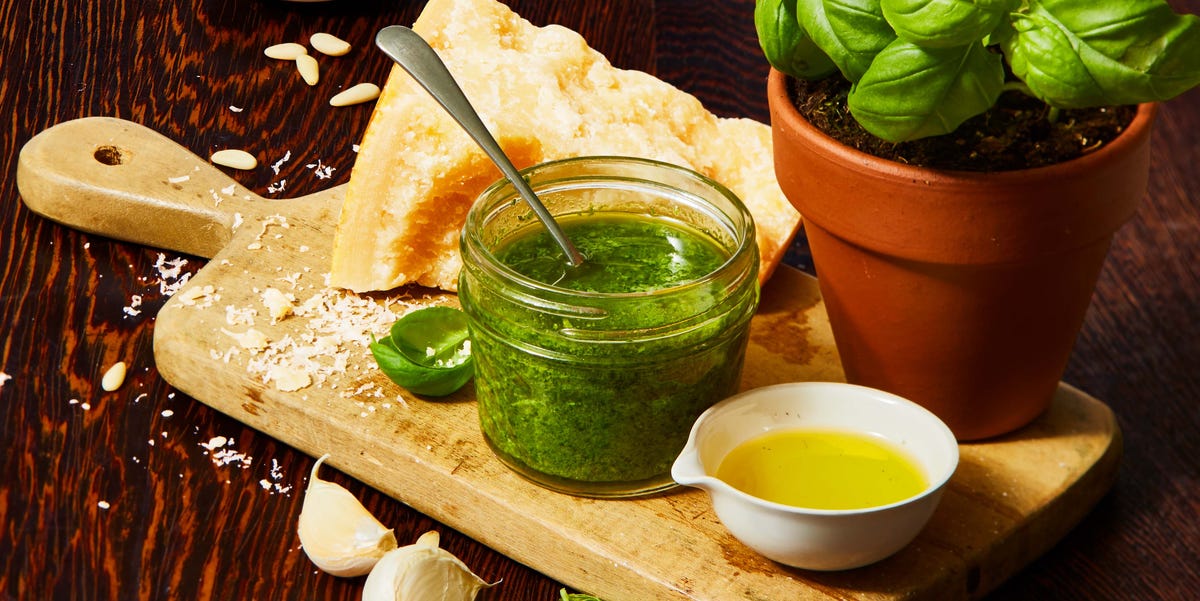
Pesto is the bright-green overachiever of the sauce world. A spoonful can rescue plain pasta, wake up linen napkin collection. The best pesto recipe is wonderfully simple: fresh basil, nuts, garlic, aged cheese, olive oil, and a little restraint with the food processor.
This guide shows you how to make pesto that is fresh, creamy, and textured rather than oily or dull. You will also find easy substitutions, pasta tips, storage guidance, and real-world kitchen lessons for using every last spoonful.
What Makes This the Best Pesto Recipe?
Classic pesto alla Genovese is built on a short list of ingredients: basil, garlic, pine nuts, hard aged cheese, olive oil, and salt. The best version does not need a parade of “secret” add-ins. It needs balance. Basil should taste lively, garlic should bring a spark instead of a takeover, cheese should add savory depth, and olive oil should unite everything into a creamy paste.
Pulse the ingredients briefly, keep the equipment cool, and taste before serving. Pesto should be textured, not perfectly smooth; creamy, not greasy; and bold without behaving like raw garlic with a megaphone.
Classic Homemade Basil Pesto Recipe
Yield: About 1 cup | Prep time: 15 minutes | Serves: 4 with pasta
Ingredients
- 2 packed cups fresh basil leaves, washed and dried very well
- 1/3 cup pine nuts
- 2 small garlic cloves, peeled
- 1/2 teaspoon kosher salt, plus more to taste
- 1/2 cup finely grated Parmesan cheese
- 1/4 cup finely grated Pecorino Romano cheese
- 1/2 cup extra-virgin olive oil, plus more as needed
- Black pepper and 1 teaspoon lemon juice, optional
How to Make Pesto Step by Step
- Toast the pine nuts. Warm them in a dry skillet over medium-low heat for 3 to 5 minutes, stirring often, until fragrant and pale golden. Transfer them to a plate immediately. Pine nuts become tragic with impressive speed.
- Cool everything down. Let the nuts cool completely. For the brightest pesto, chill the food processor bowl and olive oil while you prep the basil.
- Pulse garlic, nuts, and salt. Process until coarse and sandy. Scrape down the sides.
- Add basil in two batches. Pulse only until finely chopped. Do not run the machine continuously; pesto is sauce, not green paint.
- Drizzle in oil. Add the oil in a thin stream with short bursts of the motor, stopping when the mixture is moist, cohesive, and still flecked with basil and nuts.
- Stir in cheese and taste. Transfer pesto to a bowl, stir in the Parmesan and Pecorino, then adjust with salt, pepper, extra oil, or a few drops of lemon juice.
A food processor is fastest, but a mortar and pestle gives a more traditional, velvety result. Use a blender only with short pulses; too much heat can dull the flavor and color.
Choose Ingredients That Actually Taste Like Something
Fresh Basil
Use basil that smells sweet and peppery before it reaches the processor. Small, tender leaves are lovely, but large leaves are welcome too; this is dinner, not a basil pageant. Remove thick stems, rinse the leaves, and dry them thoroughly. Extra water makes pesto thinner and less vivid.
Nuts, Cheese, and Olive Oil
Pine nuts are classic because they are buttery and mild, but toasted walnuts, almonds, cashews, pistachios, sunflower seeds, and pepitas all work. Freshly grate the cheese for the smoothest texture. Parmesan is mellow; Pecorino is sharper; a mix gives the sauce depth. Finally, choose an extra-virgin olive oil you enjoy on bread. A harsh oil can overwhelm a raw basil sauce.
How to Keep Pesto Bright Green
Basil darkens when cut leaves meet air, and a hot processor speeds up the process. Work quickly, start with cool equipment, and pulse rather than blend endlessly. Add the basil after the garlic and nuts are chopped, then stop as soon as it is finely cut.
For make-ahead pesto, pack it into a small airtight container and press plastic wrap directly onto the surface, or cover it with a thin layer of olive oil. Blanching basil briefly can make freezer pesto exceptionally green, but it softens its fresh flavor. For everyday batches, cold ingredients and gentle pulsing offer the best trade-off.
How to Make Pesto Pasta That Is Glossy, Not Greasy
Do not cook pesto in a hot pan. High heat can flatten the basil and make the cheese clump. Instead, turn pesto into a sauce with starchy pasta water.
- Cook 12 ounces of pasta until just al dente and reserve 1 cup of pasta water.
- Put 1/2 to 3/4 cup pesto in a large serving bowl.
- Whisk in 1/4 cup warm pasta water until creamy.
- Add the hot drained pasta and toss vigorously, adding more water a splash at a time until glossy.
- Finish with Parmesan, pepper, and basil leaves.
Trofie, fusilli, gemelli, casarecce, and linguine all work beautifully. For a Ligurian-style dinner, add tender green beans and small cubes of potato. It sounds like an unusual group project, but everyone contributes.
Common Pesto Problems and Easy Fixes
Too Thick or Too Thin
Thin a rich pesto with olive oil, or use warm pasta water when serving it with noodles. To thicken it, pulse in more basil, grated cheese, or nuts. More oil will not solve a thin pesto; it will merely give the problem a shiny hat.
Bitter, Flat, or Too Garlicky
Bitterness often comes from burnt nuts, harsh olive oil, overprocessed basil, or too much garlic. Add fresh basil and cheese first, then try a few drops of lemon juice. If pesto tastes flat, add salt gradually and reassess. If it is aggressively garlicky, do not add more garlic out of panic; soften it with more basil, nuts, and cheese.
Dark on Top
A slightly darker surface is common after storage. If the pesto has been refrigerated properly and smells fresh, stir it in or scrape it away for a brighter look. Next time, cool the ingredients, pulse less, and cover the surface directly.
Pesto Variations for Every Pantry
- Walnut pesto: Earthier, less expensive, and excellent with mushrooms or roasted squash.
- Arugula pesto: Replace half the basil with arugula for peppery flavor; walnuts and lemon are natural partners.
- Spinach-basil pesto: Mix in baby spinach when basil is scarce but dinner ambitions are not.
- Vegan pesto: Skip cheese and use nutritional yeast; a small spoonful of white miso adds savory depth.
- Sun-dried tomato pesto: Blend oil-packed tomatoes, almonds, garlic, Parmesan, and a little basil for a tangy red alternative.
More Ways to Use Homemade Pesto
Pasta is only the beginning. Spread pesto on toast with tomatoes and mozzarella; spoon it over grilled chicken, shrimp, fish, or steak; swirl it into soup; mix it with mayonnaise for sandwiches; or dollop it on eggs, baked potatoes, grain bowls, and roasted vegetables. It is also a superb pizza finish when added after baking, when the basil can stay vivid and fragrant.
How to Store and Freeze Pesto
Refrigerate homemade pesto in an airtight container and use it within 3 to 5 days for its best flavor. Keep it cold, and cover the surface directly to reduce browning.
For longer storage, freeze pesto in ice cube trays, then transfer the cubes to a labeled freezer bag. Use cubes within about 3 months for the freshest flavor. They are perfect for a single serving of pasta, soup, eggs, or an emergency “what can I make in ten minutes?” meal. For freezer batches, you can leave out the cheese and stir it in after thawing for a brighter finish.
Quick Pesto Questions
Can I Make Pesto Without Pine Nuts?
Absolutely. Walnuts, almonds, cashews, pistachios, sunflower seeds, and pepitas all make delicious pesto. Toast them lightly and cool them before blending. The flavor changes, but the basic formula still works beautifully.
Can I Use Dried Basil?
Not for classic basil pesto. Dried basil has a useful place in cooked sauces, but it cannot deliver the fresh aroma, color, or soft texture that pesto needs. Use another fresh herb or green if fresh basil is unavailable.
Should I Toast the Pine Nuts?
It is optional. Raw pine nuts are closer to a traditional delicate flavor, while lightly toasted nuts offer deeper nuttiness. Both are good; the important part is keeping them pale golden rather than scorched.
Can I Make Pesto Without a Food Processor?
Yes. A mortar and pestle is the traditional choice and makes a wonderfully integrated sauce. In a pinch, mince the garlic and nuts very finely, chop the basil, then work everything together in a bowl with grated cheese and olive oil. It will be rustic, which is just a flattering word for deliciously handmade.
The Pesto-Making Experience: Lessons From Real-Life Kitchen Moments
Making pesto teaches a useful kitchen lesson: quick and careless are not the same thing. The recipe takes only minutes, yet every small choice shows up in the bowl. Basil that was not dried well, pine nuts toasted a little too long, or a processor run for an extra minute can shift the result. That is not a reason to fear pesto. It is part of the appeal. The sauce gives immediate feedback. Taste it, adjust it, and it will tell you exactly what it needs.
The first unforgettable moment is when basil meets olive oil. A loose pile of leaves becomes something glossy and wildly fragrant almost at once. The kitchen smells green, garlicky, nutty, and distinctly more cheerful than it did five minutes earlier. At this point, even skeptical cooks start looking for bread. It feels like late summer in a bowl, even when dinner is on a random Tuesday and the sink is already collecting evidence of the day.
Many cooks learn restraint from pesto. There is a strong urge to keep blending because the mixture does not look “done” by smoothie standards. Resist it. Great pesto is not a uniform purée. Its tiny pieces of nut, cheese, and herb create texture, and that texture matters when it meets warm pasta. Overblended pesto can look sleek but feel oily; a lightly pulsed batch tastes fresher and more complete. It is a modest victory for leaving well enough alone, a principle that also applies to emails drafted at midnight.
Another reliable moment of discovery comes with pasta water. The first time a cook loosens pesto with a splash of starchy cooking water and tosses it with hot noodles, the sauce changes personality. Instead of pooling at the bottom of the bowl, it becomes glossy and clings to every twist and ridge. It feels like a restaurant trick, except the key ingredient was in the pot you nearly poured down the drain. That small technique makes future pasta nights much better.
Pesto also rewards flexibility. A cook may begin with basil and pine nuts, then discover the pantry offers walnuts, spinach, or only one heroic basil plant with three leaves to its name. The sauce can still be excellent. Pesto has a recognizable character, but it is not precious. Preserve the balance of fresh green flavor, richness, salt, and enough oil to bring it together, and it welcomes improvisation.
Finally, there is the freezer-cube experience: a modest act of optimism that pays off weeks later. Finding a cube of homemade pesto can rescue a hurried lunch, improve a plain soup, or make roasted vegetables seem planned rather than accidental. It is proof that a few calm minutes now can make future meals easier without converting the kitchen into a meal-prep factory. Pesto is more than a recipe; it is a tiny green insurance policy against boring food, ready to help when dinner needs a little confidence.