Fresh oysters are one of life’s great little luxuries: briny, elegant, and just dramatic enough to make dinner feel like an event. But oysters also come with one non-negotiable rule: they must be stored correctly. Unlike a bag of carrots that can forgive a few refrigerator crimes, live oysters are living shellfish. Treat them well, and they reward you with clean ocean flavor. Treat them badly, and dinner may turn into a cautionary tale with a very unglamorous ending.
Knowing how to properly store fresh oysters is not complicated, but it does require attention to temperature, airflow, moisture, cleanliness, and timing. The goal is simple: keep live oysters cold, damp, breathable, and alive until you are ready to shuck, cook, or serve them. Whether you bought a dozen for a romantic dinner, a full bag for a backyard oyster roast, or a “reasonable amount” that somehow became 72 oysters, this guide will walk you through safe oyster storage from market to plate.
Why Proper Oyster Storage Matters
Oysters are filter feeders, which means they naturally draw water through their bodies. This is part of what gives them their distinctive taste, but it also means food safety matters. Raw or undercooked oysters can carry harmful bacteria or viruses, including Vibrio bacteria, norovirus, and other pathogens that cannot always be detected by smell, appearance, or taste. In other words, an oyster can look innocent while secretly plotting against your digestive system.
Proper storage does not make raw oysters risk-free, but it helps maintain quality and slows bacterial growth. Cold temperatures are especially important. Fresh seafood should be refrigerated at 40°F or below, and live oysters are often best kept slightly colder, around 34°F to 38°F, as long as they do not freeze. Freezing live oysters in the shell is not recommended because it can kill them and damage texture.
The safest rule is to buy oysters from reputable seafood markets, transport them cold, store them immediately, and use them as soon as possible. If you plan to eat oysters raw, freshness and handling become even more important. High-risk individuals, including pregnant people, young children, older adults, and anyone with liver disease, diabetes, immune system problems, or certain chronic conditions, should avoid raw oysters and choose fully cooked oysters instead.
How to Choose Fresh Oysters Before Storing Them
Great storage starts before the oysters ever reach your refrigerator. If you bring home questionable oysters, even perfect storage cannot turn them into seafood royalty. It can only preserve the questionable situation.
Look for tightly closed shells
Live oysters should be closed tightly. If an oyster is slightly open, tap it gently. A live oyster should close. If it stays open, discard it. Broken, cracked, or badly damaged shells are also a bad sign because the oyster may no longer be alive or protected.
Smell for clean ocean aroma
Fresh oysters should smell like the sea: clean, salty, and mineral-rich. They should not smell sour, rotten, fishy, sulfur-like, or like something that has been making poor decisions in the trunk of a car.
Buy from a reputable source
Purchase oysters from licensed seafood markets, grocery stores, oyster farms, or restaurants that follow shellfish handling rules. Shellfish should be properly tagged or labeled with harvest information. If you are buying oysters for food service or a large event, keep the shellstock tag or label as required by local regulations and best practices. Traceability matters if a food safety issue occurs.
How to Transport Fresh Oysters Home
Oyster storage begins the moment you leave the market. Do not let oysters sit in a warm car while you run five errands, get coffee, and emotionally debate which candles smell “coastal.” Bring a cooler or insulated bag with ice packs if the trip home will take more than a short drive.
Keep oysters cold, but do not place them directly in melted ice water. Fresh water can kill live oysters, and standing water can affect texture and safety. If using ice, keep the oysters above the meltwater with a rack, perforated tray, or sealed ice packs. Once you get home, refrigerate them immediately.
The Best Way to Store Live Oysters in the Shell
The best method for storing live oysters is simple: place them cup-side down in a shallow container, cover them with a damp towel, and refrigerate them. That’s it. No magic spell. No tiny oyster bunk beds. Just cold, damp, breathable storage.
Step 1: Keep oysters in the shell
Do not shuck oysters until you are ready to use them. The shell protects the oyster and helps preserve its natural liquor, the briny liquid inside. Once shucked, oysters become more perishable and should be handled differently.
Step 2: Arrange oysters cup-side down
Place oysters with the deeper, cupped side facing down and the flatter side facing up. This helps keep the oyster liquor inside the shell. That liquid is part flavor, part moisture, and part reason oysters taste like they came with their own tiny ocean.
Step 3: Use a shallow bowl, tray, or open container
Choose a container that allows some airflow. A rimmed baking sheet, shallow bowl, colander set over a bowl, or open seafood tray works well. If the oysters release liquid, make sure they are not sitting in it. Drain excess liquid as needed.
Step 4: Cover with a damp towel
Cover the oysters with a clean damp towel, paper towel, or cloth. The towel should be damp, not dripping wet. This helps prevent the shells from drying out while still allowing the oysters to breathe.
Step 5: Refrigerate at 40°F or below
Place the oysters in the coldest part of your refrigerator, usually the lower back shelf. Keep them at 40°F or below, ideally around 34°F to 38°F. Use a refrigerator thermometer if you are serious about seafood safety. Guessing refrigerator temperature is not a personality trait worth developing.
What Not to Do When Storing Fresh Oysters
Most oyster storage mistakes happen because people treat live oysters like regular leftovers. They are not leftovers. They are living shellfish with very specific demands and no patience for nonsense.
Do not store oysters in an airtight container
Live oysters need oxygen. Sealing them in a plastic bag, airtight box, or tightly wrapped container can suffocate them. A dead oyster is not a stored oyster; it is a problem wearing a shell.
Do not store oysters in fresh water
Never soak live oysters in tap water. Fresh water can kill them. Oysters live in saltwater or brackish water, and a freshwater bath is not a spa day for them.
Do not store oysters submerged in melted ice
Ice can help keep oysters cold, but melted ice water is risky. If you store oysters over ice, make sure the meltwater drains away and does not pool around the shells.
Do not freeze live oysters in the shell
Freezing live oysters in the shell is generally not recommended. The texture can suffer, shells may crack, and the oyster will no longer be alive. If you need to freeze oysters, shuck them first and freeze the meat in its liquor in a freezer-safe container.
Do not leave oysters at room temperature
Fresh oysters should not sit out for long. Keep them refrigerated until preparation time. If oysters have been left out at room temperature for more than two hours, or more than one hour in hot conditions, it is safer to discard them.
How Long Do Fresh Oysters Last in the Refrigerator?
Live oysters can sometimes remain alive in the refrigerator for several days when stored correctly. Many food safety charts list live clams, mussels, oysters, and scallops as refrigerated for 5 to 10 days. However, quality is best much sooner. For the freshest flavor and safest experience, use live oysters within 24 to 48 hours of purchase whenever possible.
If you purchased oysters directly from a farm or trusted seafood supplier and they were harvested recently, they may last longer under ideal conditions. Still, “can last” and “should wait” are not the same thing. Oysters are at their best when they are fresh, cold, and not forced to endure a week next to leftover pizza.
How to Store Shucked Oysters
Shucked oysters are oysters removed from the shell. They are often sold in tubs with their natural liquor. Because they no longer have the protection of the shell, they need especially careful handling.
Keep shucked oysters in their liquor
Store shucked oysters in a clean, sealed container with their oyster liquor. The liquor helps preserve flavor and moisture. If you bought them in a sealed container, keep them refrigerated and follow the sell-by or use-by date. Once opened, use them quickly.
Refrigerate immediately
Shucked oysters should be kept at 40°F or below. Do not leave them out on the counter while you prepare other ingredients. They are not decorative. They are dinner with a countdown timer.
Use within a few days
For best quality, use shucked oysters within 1 to 2 days after opening. Some cold storage guidance allows shucked shellfish for several days, but fresher is better. If the oysters smell sour, look discolored, feel unusually slimy, or seem questionable, discard them.
Can You Freeze Fresh Oysters?
Yes, but with a major clarification: freeze shucked oysters, not live oysters in the shell. Freezing changes oyster texture, so thawed oysters are best used in cooked dishes such as oyster stew, fried oysters, oyster dressing, casseroles, chowders, and grilled oyster recipes.
How to freeze shucked oysters
To freeze oysters, shuck them carefully, saving the liquor. Place the oyster meat and liquor in a freezer-safe container, leaving a little headspace for expansion. Label the container with the date. For best flavor and texture, use frozen oysters within 3 to 4 months.
How to thaw frozen oysters
Thaw frozen oysters in the refrigerator, not on the counter. Once thawed, cook them promptly. Do not refreeze thawed oysters unless they have been cooked first and handled safely.
How to Tell If Oysters Have Gone Bad
When in doubt, throw it out. That advice may sound dramatic, but it is much less dramatic than food poisoning. Oysters should be fresh, alive if in the shell, and clean-smelling.
Discard oysters with open shells that do not close
If a live oyster is open and does not close when tapped, discard it. It is likely dead and unsafe to eat raw.
Discard oysters with broken shells
Cracked or broken shells can allow contamination and may indicate the oyster is dead or compromised.
Discard oysters with bad odor
A sour, rotten, sulfur-like, or strongly fishy smell is a warning sign. Fresh oysters should smell clean and briny, not like a seafood haunted house.
Discard oysters with unusual texture or appearance
For shucked oysters, avoid any that look gray, dry, cloudy in a strange way, excessively slimy, or separated from their liquor in an unpleasant manner. Natural oyster liquor can be cloudy, but it should still smell fresh.
Should You Wash Oysters Before Storing?
It is better to clean oysters right before shucking or cooking rather than before storage. Scrubbing them too early can add unnecessary moisture and disturb the shells. When you are ready to use them, scrub the outside of each shell under cold running water with a stiff brush to remove mud, grit, and debris.
Do not soak oysters in water. A quick scrub is enough. The goal is to clean the shell surface so dirt does not get pushed into the oyster when you open it. Think of it as wiping your shoes before entering the house, except the house is dinner.
Where to Place Oysters in the Refrigerator
The lower back area of the refrigerator is usually the coldest and most stable spot. Avoid the refrigerator door, where temperatures fluctuate every time someone opens it to stare hopefully at the contents. Also avoid placing oysters directly beneath foods that might drip, such as raw meat or poultry.
Store oysters away from strong-smelling foods. Oysters are delicate and should not spend the night absorbing aromas from chopped onions, garlic leftovers, or that mysterious container nobody wants to claim.
Food Safety Tips for Serving Fresh Oysters
Proper storage is only one part of safe oyster enjoyment. How you serve them matters too.
Keep oysters cold until serving
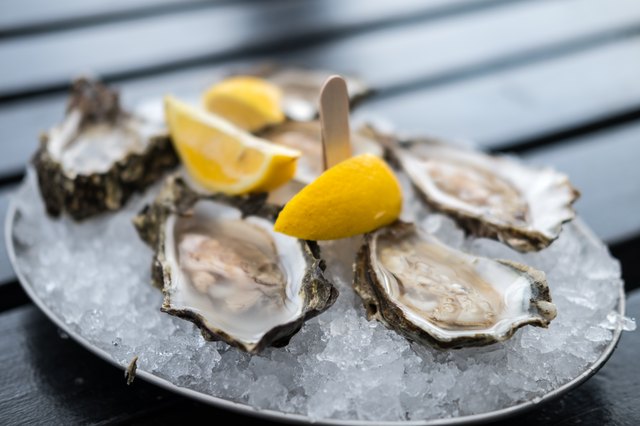
If serving raw oysters on the half shell, keep them chilled over crushed ice. Do not let them sit out for long periods. Serve small batches and replenish from the refrigerator as needed.
Use clean tools
Use a clean oyster knife, clean towel, and clean cutting board or tray. Wash hands before and after handling raw shellfish. Keep raw oysters and their juices away from ready-to-eat foods.
Cook oysters for vulnerable guests
Cooking oysters thoroughly reduces the risk of harmful bacteria and viruses. If you are serving guests and do not know everyone’s health status, it is smart to offer cooked oyster options. Grilled oysters with garlic butter rarely receive complaints.
Common Oyster Storage Questions
Can I store oysters on ice?
Yes, but only if the oysters stay above the melted water. Use a perforated pan, rack, or colander over a tray so meltwater drains away. Cover the oysters with a damp towel and keep everything refrigerated.
Can I store oysters in a plastic bag?
No, not if the bag is sealed. Live oysters need airflow. A mesh bag or open container is fine, but airtight plastic can suffocate them.
Can I store oysters overnight?
Yes. Store them cup-side down in an open container, cover with a damp towel, and refrigerate at 40°F or below. For best quality, use them the next day.
Can I eat oysters after a week in the refrigerator?
Maybe, but inspect carefully. Properly stored live oysters may last several days, but quality declines over time. Check that shells are closed or close when tapped, smell clean, and show no signs of spoilage. When unsure, discard them.
Personal Experience: Lessons From Storing Fresh Oysters at Home
The first thing you learn after buying fresh oysters is that they do not behave like ordinary groceries. A bag of oysters has presence. It sits in the refrigerator like a tiny seafood responsibility. You cannot simply toss it beside the lettuce and hope for the best. Fresh oysters demand a little ceremony, and honestly, they have earned it.
One of the most practical lessons is to prepare your refrigerator space before bringing oysters home. Clear a low shelf, set out a tray or shallow bowl, and make sure you have a clean towel ready. This sounds small, but it prevents the classic “I just bought oysters and now I’m rearranging leftovers in a panic” moment. Oysters should go into cold storage quickly, not wait on the counter while you negotiate with half a watermelon and three condiment bottles.
Another useful habit is checking the oysters when you get home, not right before serving. Look for cracked shells, open oysters that do not close when tapped, and anything that smells off. Doing this early gives you confidence later. There is nothing festive about discovering a suspicious oyster when guests are already holding lemon wedges.
Storing oysters cup-side down also makes a noticeable difference. The deeper shell holds the oyster liquor, and that liquor is where much of the flavor lives. When oysters are stored carelessly, they can lose moisture and taste flatter. Cup-side down storage helps them stay plump, briny, and ready for shucking.
The damp towel trick is another small detail with a big payoff. The towel keeps the shells from drying out without drowning the oysters. The key word is damp. Not dry. Not dripping. Not “monsoon simulation.” If the towel dries out, re-dampen it. If it is soaking wet, wring it out. Oysters like humidity, not a swimming pool.
One mistake many people make is sealing oysters tightly because they assume airtight means fresh. That works for crackers, not live shellfish. Oysters need to breathe. An open container covered with a damp towel is better than a sealed box. If you remember only one thing, remember this: cold and breathable beats sealed and soggy.
Timing also matters. Even when oysters can technically last several days, they taste best soon after purchase. If the plan is a Saturday dinner, buy them Saturday morning or Friday at the earliest. The fresher the oyster, the cleaner and brighter the flavor. Waiting too long is like buying concert tickets and showing up during the encore.
For parties, the best approach is to store oysters cold until the last possible moment, shuck in small batches, and serve over ice. This keeps the oysters fresh and prevents the platter from sitting around too long. It also creates a nice rhythm: shuck, serve, enjoy, repeat. Guests tend to gather around anyway, because oyster shucking has the same effect as a campfire. People watch, comment, and occasionally offer advice they are not qualified to give.
If you are new to oysters, cooked preparations are a forgiving place to start. Grilled oysters, baked oysters, oyster stew, and fried oysters are delicious and reduce the anxiety of serving raw shellfish. Raw oysters are wonderful, but they require careful sourcing, storage, and guest awareness. Cooked oysters are still elegant, just with fewer safety question marks.
The final experience-based rule is simple: trust your senses, but do not rely on them completely. A bad smell is a clear warning, but a normal smell does not guarantee that a raw oyster is risk-free. Proper refrigeration, reputable sourcing, and safe handling all work together. Oysters are not difficult; they are just specific. Follow the basics, and they become much less intimidating.
Conclusion
Learning how to properly store fresh oysters is the difference between a memorable seafood meal and a refrigerator gamble. Keep live oysters cold, cup-side down, covered with a damp towel, and in a breathable container. Do not seal them airtight, soak them in fresh water, leave them in melted ice, or let them sit at room temperature. Use them as soon as possible, inspect them carefully, and discard anything that smells bad, has broken shells, or does not close when tapped.
Fresh oysters are delicate, but they are not mysterious. With the right storage method, you can protect their flavor, texture, and safety until the moment they meet lemon, mignonette, hot sauce, garlic butter, or whatever delicious ending you have planned. Treat them like living seafood, not leftover takeout, and they will behave beautifully.
Note: This article is based on current U.S. seafood safety principles and common professional oyster-handling practices. For people at higher risk of severe foodborne illness, fully cooked oysters are the safer choice.