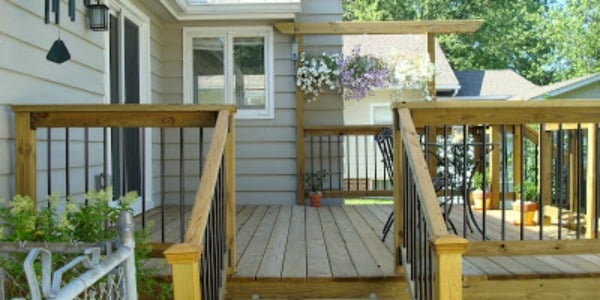
A new deck and patio makeover can begin with a noble design vision: better outdoor living, more fresh air, and a beautiful connection to the backyard. Then somebody says, “What if we have guests over?” Suddenly, you are measuring dining chairs, wondering where people will put their drinks, and noticing that the only nighttime light is a motion sensor bright enough to interrogate a raccoon.
That is why a guest-ready deck and patio makeover should be about more than buying fashionable cushions. The best outdoor spaces combine clear activity zones, comfortable furniture, shade, thoughtful lighting, durable materials, and an easy relationship with the house and landscape. Outdoor design guidance consistently emphasizes multifunctional layouts and indoor-outdoor continuity because a space works better when its purpose is decided before the decorating frenzy begins.
Whether the goal is a quiet weekend retreat or a backyard capable of handling neighbors, cousins, and the friend who always brings “one more person,” here is how to create a welcoming deck and patio that genuinely works for guests.
Start the Deck and Patio Makeover With Real-Life Questions
Before choosing decking colors or falling emotionally in love with a twelve-foot sectional, stand outside and study the space. Where does the sun hit in the late afternoon? Which direction do guests naturally walk from the house? Is the grill dangerously close to the main conversation area? Does rain collect beside the patio? Is there a view worth highlighting or a neighboring window you would rather gently pretend does not exist?
Successful outdoor living spaces are generally planned around how people will gather, cook, dine, relax, and move between areas. Separating those activities into recognizable zones can make even a modest backyard feel more organized and useful.
Make a Guest List Without Actually Sending Invitations
Think about the usual crowd. If most gatherings involve four adults and two children, design for that reality. Do not furnish a suburban deck as though a minor royal wedding will occur every Thursday.
For casual entertaining, flexible seating is often more useful than a giant permanent furniture arrangement. A dining table for six can be supplemented with lightweight chairs, a bench, poufs, or compact side tables that become extra perches when necessary. Small-space design advice frequently favors multifunctional furniture and layouts that preserve movement rather than filling every available square foot.
Create Distinct Outdoor Zones
One of the most effective deck and patio makeover ideas is to treat the backyard like an open-plan interior. A house may have a kitchen, dining room, and living room without building a wall between every chair. The same principle works outdoors.
The Deck as the Outdoor Dining Room
If the deck connects directly to the kitchen, it is a logical place for outdoor dining. Position the table where carrying food and dishes requires the fewest awkward steps. Leave comfortable circulation space around chairs so a seated guest does not become a human roadblock every time someone needs more iced tea.
An outdoor rug can visually anchor the dining area, provided it is made for exterior use and sized in proportion to the furniture. A rug that looks like a bath mat abandoned beneath a six-person table will not create the polished effect you had in mind. Current patio design guidance particularly warns against undersized rugs because larger, properly proportioned rugs do a better job of grounding furniture groups.
The Patio as the Conversation Lounge
The lower patio can become the relaxed part of the makeover. Arrange seating so guests face one another instead of staring in a single direction like they are waiting for a backyard PowerPoint presentation.
A sofa and two lounge chairs can form a classic conversation group. In a smaller area, try four chairs around a coffee table or fire table. Mixed deck-and-patio designs often gain function by assigning different uses to each level or hardscape zone rather than forcing dining, grilling, and lounging into one congested area.
Refresh the Deck Surface Before Adding Pretty Things
Furniture cannot distract forever from splintered boards, loose components, or a finish that appears to have survived three tornadoes and an emotionally difficult winter.
For an existing wood deck, inspect the structural condition before concentrating on appearance. Pay attention to framing, connections, stairs, guards, and deteriorated material. Residential deck construction involves structural requirements, and professional or code-based guidance is particularly important when the makeover includes framing changes, new stairs, railings, or additional heavy features. The American Wood Council’s residential deck guidance is intended to work with competent design, accurate fabrication, and proper construction supervision.
If the deck is fundamentally sound, cleaning and refinishing wood can dramatically change its appearance. Stain colors inspired by the house, surrounding trees, stone, or other landscape materials tend to make the outdoor room feel connected rather than randomly attached.
Wood or Composite Decking?
For a new deck makeover, the material decision often comes down to appearance, maintenance expectations, climate, and budget. Wood offers a natural character many homeowners love, but its maintenance should be considered from the beginning. Composite options are promoted for avoiding seasonal painting, sealing, and staining, while design sources increasingly feature wood alternatives in low-maintenance outdoor spaces.
The important point is not to chase a material simply because it is trending. Choose a surface that fits the way the deck will actually be used. Guests rarely compliment a homeowner for selecting the most fashionable board profile. They do notice whether they can walk barefoot without initiating an emergency search for tweezers.
Choose Guest-Friendly Outdoor Furniture
Comfort is not optional when the makeover is designed for entertaining. A chair can look magnificent in an online photo and still feel like a decorative punishment device after twenty minutes.
Patio furniture should match the local climate, humidity, and exposure to weather because those conditions influence longevity and maintenance. Outdoor design experts also frequently recommend investing in durable, comfortable seating rather than treating furniture as a short-term decorative accessory.
Measure Before Shopping
Create a rough furniture plan with actual dimensions. Mark the footprint of a sofa or dining table using painter’s tape, cardboard, or chalk. Then walk through the area carrying an imaginary serving tray. Yes, you may look strange. Your neighbors have hobbies too.
Check door swings, grill clearance, pathways, stairs, and the space needed to pull out dining chairs. A guest-ready patio should have natural circulation routes. People should not need to squeeze sideways between a planter and a chair while apologizing to everybody they pass.
Add Small Tables Everywhere They Are Needed
One of the most practical guest upgrades is also one of the simplest: provide enough surfaces for drinks. A coffee table alone may not serve six people comfortably. Add weather-resistant side tables or small stools near individual chairs.
The informal rule is easy. Sit in every seat. Reach for an imaginary glass. If you would have to lean like an Olympic fencer, add a table.
Build Shade Into the Patio Makeover
Shade determines whether an outdoor living space is inviting at 3 p.m. or operates as an attractive human toaster.
Patio cover options include umbrellas, pergolas, retractable awnings, shade sails, and more permanent covered structures. The best solution depends partly on the orientation of the space and when it receives intense sun. Design guidance recommends considering solar exposure early because shade affects furniture placement and how individual outdoor zones can be used throughout the day.
For a flexible makeover, a tilt umbrella can work well near a dining or conversation area. A pergola adds stronger architectural definition and partial shade while visually identifying an outdoor room. Depending on the design, curtains, shades, or planting can provide additional privacy.
Privacy Should Feel Intentional
A privacy solution does not need to make the patio resemble a mysterious government compound. Layering is usually softer. Consider a slatted screen in one problem area, a hedge in another, and tall containers near the seating zone.
Trees, shrubs, pergolas, screens, curtains, and vertical planting can all help create a more enclosed outdoor retreat. Combining landscape and architectural solutions often feels more natural than installing one massive visual barrier around the entire patio.
Use Layered Outdoor Lighting for Safer, Better Evenings
The difference between “lovely evening on the patio” and “Gary just missed a step while carrying potato salad” is sometimes lighting.
A guest-focused deck needs both functional and atmospheric illumination. Steps, changes in level, circulation paths, and cooking areas need practical light. Seating and dining zones benefit from softer lighting that creates depth and warmth. Current outdoor lighting guidance favors layered, restrained illumination rather than flooding the entire backyard with one intensely bright fixture.
Layer Three Types of Light
First, add safety lighting near stairs and pathways. Low-voltage step lights, post lights, or carefully positioned fixtures can make elevation changes easier to recognize.
Second, provide task lighting near the grill or food-preparation zone. The person checking whether chicken is cooked should not have to borrow three smartphone flashlights from guests.
Third, use ambient light around dining and lounge seating. Outdoor-rated fixtures, lanterns, rechargeable lamps, or thoughtfully installed overhead lights can add atmosphere.
Responsible outdoor lighting principles recommend directing light where it is needed, keeping brightness no higher than necessary, and using controls when practical. Warm-color lighting is also commonly recommended for a softer nighttime environment.
Connect the Makeover to the House
A new deck and patio should not look as though it arrived from another property and parked in the backyard overnight.
Look through the doors and windows from inside the house. What colors are visible? Are there black window frames, warm wood floors, pale neutral walls, or stone details that can inspire the outdoor palette?
Designers often approach successful indoor-outdoor spaces by carrying related tones, finishes, and visual ideas beyond the house. The goal is not to copy the living room cushion for cushion. It is to make the transition feel deliberate.
For example, a house with warm oak floors might inspire teak-toned outdoor furniture or brown decking. Black interior accents could reappear in railing, lanterns, or planters. A muted green from an interior room might become the inspiration for outdoor pillows.
Use Plants to Soften the Deck and Patio
Hardscape needs plants. Otherwise, the makeover can feel like an exceptionally comfortable parking area.
Container gardens are useful around decks because they can define edges, add seasonal color, and soften railings or large furniture. In compact outdoor spaces, vertical planting and carefully selected small-scale plants can provide greenery without consuming valuable floor area.
Repeat Plants and Containers
Instead of buying twelve unrelated pots during a burst of garden-center enthusiasm, select a limited container palette. Repeat one or two materials or colors. Then repeat plants in several locations.
For example, matching dark planters with ornamental grasses might flank the deck steps and reappear beside the patio sofa. Herbs near the dining area can add useful greenery. A climbing plant on a trellis can soften a privacy screen.
Consistency makes the space feel designed. It also prevents the patio from resembling a botanical yard sale.
Prepare the Space for Actual Guests
Once the large design decisions are finished, the details determine how comfortable entertaining feels.
Create a Simple Serving Station
A small console, outdoor cabinet, or bar cart can hold napkins, water, serving utensils, and drink supplies. During a party, this prevents the kitchen door from functioning like the entrance to a busy subway station.
Place the serving area between the cooking zone and dining area when possible. Guests can help themselves without standing directly beside the grill.
Provide Flexible Temperature Comfort
Shade helps during hot weather. In cooler seasons, outdoor textiles and an appropriately selected heat or fire feature may extend the usefulness of the space. Any fire feature should be installed and operated according to its manufacturer’s requirements and applicable local rules, with combustible materials kept away as directed.
Store outdoor blankets in a clean, dry place and bring them out when temperatures drop. It is a tiny hospitality detail that makes people stay longerwhich is wonderful until you realize you have also committed to another round of snacks.
Make Cleanup Easy
Outdoor entertaining becomes far more enjoyable when cleanup is predictable. Use washable outdoor textiles, accessible trash and recycling containers, and furniture materials suited to local weather. Keep a storage solution for cushions and small accessories when conditions require it.
The prettier the patio is, the more heartbreaking it becomes when maintaining it requires a master’s degree in specialized fabric care.
Do a Safety and Maintenance Check Before the First Party
A new deck and patio makeover should be inspected with the same enthusiasm you gave the decorative pillowspreferably more.
Check for loose boards, deteriorated wood, unstable furniture, protruding fasteners, damaged rail components, and poorly illuminated changes in level. When deck construction or structural alterations are involved, applicable codes, manufacturer instructions, permits, and professional guidance should be considered rather than relying on decorative DIY intuition. ICC deck provisions and AWC guidance address structural deck components and construction considerations.
Also inspect the patio after rain. Standing water or slippery surfaces can change how guests move through the space. Trim plants that block paths and keep electrical cords or temporary lighting arrangements from creating trip hazards.
Good outdoor design should become more enjoyable when people arrive, not more hazardous.
Guest-Ready Deck and Patio Makeover: Experiences and Lessons From the Space
The most useful lesson from planning a guest-focused deck and patio makeover is that the first layout is rarely the smartest layout. Furniture looks deceptively small when viewed individually. Put a dining table, six chairs, a grill, two lounge chairs, and three enthusiastic planters in the same space and the deck may suddenly feel like a furniture showroom during inventory week.
A practical experience is to furnish slowly. Start with the largest essential piece. In a dining-focused deck, that may be the table. In a lounge-focused patio, it may be the sofa. Place it, live around it for a few days, and watch how people move. This simple pause can reveal more than an hour spent dragging digital furniture icons around a design app.
One guest-ready makeover I would use as a model begins with a rectangular deck directly outside the kitchen. Originally, the owners might imagine placing everything on the deck because it is closest to the house. The problem becomes obvious during the first gathering: the grill creates a bottleneck near the door, dining chairs interfere with traffic, and guests searching for comfortable seats drift down to the patio anyway.
The better solution is to give each surface one main job. Move the dining table toward the quieter side of the deck while maintaining a clear route from the kitchen. Position the grill in a dedicated cooking area based on manufacturer requirements and site conditions. Then turn the patio into a conversation zone with four deep chairs around a central table.
The transformation is not dramatic because of one expensive object. It works because guests immediately understand the layout. Food is served here. Drinks can rest there. Conversation happens over here. People stop rearranging chairs every twenty minutes as though participating in a low-stakes game show.
Another important experience concerns lighting. Homeowners often evaluate a patio during the afternoon because that is when outdoor projects are installed and photographed. The first evening gathering exposes every forgotten detail. A step disappears into shadow. The grill area is dim. An overhead security light turns on and gives everybody the complexion of a convenience-store refrigerator.
Layering several modest light sources usually creates a more comfortable result. Step lighting identifies changes in level. A practical fixture supports cooking. Soft table lamps or lantern-style lighting help the conversation area feel intimate. The goal is not to recreate daylight. It is to give guests enough visual information to move safely while preserving the evening atmosphere.
Furniture comfort produces another reality check. During shopping, it is tempting to judge a chair after sitting in it for approximately nine seconds. Guests may occupy that same chair through appetizers, dinner, dessert, and a forty-minute story about someone’s kitchen renovation. Seat depth, back support, cushion quality, and table height become much more important over a long evening.
Side tables are another detail learned through use. A patio can have a beautiful central coffee table and still leave half the guests with nowhere convenient to place a drink. Small tables beside chairs solve the problem with almost no visual drama. Nobody posts an emotional social media tribute to a twelve-inch outdoor side table, yet everybody uses it.
Plants also need to be tested against human behavior. That oversized container beside the steps may look fabulous until three guests clip it with their shoulders. A trailing plant near a chair may become attached to someone’s jacket. The lesson is simple: landscaping should frame circulation, not challenge it.
Weather reveals the final weaknesses. Strong afternoon sun can make a gorgeous dining table unusable. Wind can send lightweight pillows into the lawn. Rain may expose drainage problems or show which furniture takes four business days to dry. A truly successful deck and patio makeover improves after these observations because the owners adjust shade, storage, materials, and furniture placement to fit actual conditions.
Perhaps the best experience is seeing that guests rarely care whether every object belongs to the same collection. They remember whether the seating was comfortable, whether conversation felt easy, whether the food was accessible, and whether the patio encouraged everyone to stay outside after sunset.
The Final Takeaway
A new deck and patio makeover for guests succeeds when beauty supports hospitality. Start with circulation and purpose. Define dining and lounging areas. Choose outdoor furniture for comfort and climate, provide intentional shade, soften hard surfaces with plants, and layer practical lighting with atmosphere.
The finished outdoor living space does not need to be enormous or extravagantly equipped. It needs to make guests feel that there is a natural place to sit, talk, eat, and relax. When the layout works, entertaining becomes easier and the backyard starts functioning like a genuine extension of the home.
And when somebody says, “We should do this more often,” you can smile proudlywhile quietly calculating how many plates are still in the kitchen sink.
Note: This article synthesizes practical outdoor-living, deck design, patio planning, lighting, material, and construction guidance from reputable U.S. home-improvement, design, building-industry, and technical resources. Structural work and major deck alterations should be evaluated for applicable local code, permit, manufacturer, and professional requirements.